Small Comfort Habits That Help When Your Body Feels Tense
Feeling physically tense is something many people experience without fully noticing it at first. Tight shoulders, a clenched jaw, shallow breathing, or a constant feeling of holding yourself together can slowly become part of daily life. This tension often builds quietly from stress, long hours sitting, emotional load, or simply moving too fast through the…
Feeling physically tense is something many people experience without fully noticing it at first. Tight shoulders, a clenched jaw, shallow breathing, or a constant feeling of holding yourself together can slowly become part of daily life.
This tension often builds quietly from stress, long hours sitting, emotional load, or simply moving too fast through the day.
The good news is that your body responds well to small signals of safety and comfort. You do not need intense stretching routines, long workouts, or expensive tools to feel relief. Gentle, DIY-style habits can help your body soften and release tension in ways that feel natural and soothing.
These comfort habits are easy to try, easy to repeat, and designed to fit into real life. You do not need to do all of them. Even one small habit can help your body feel more supported.
Why the Body Holds Tension So Easily
The body often holds tension as a protective response. When life feels demanding, your nervous system stays alert, muscles tighten, and breathing becomes shallow. Over time, this can make relaxation feel unfamiliar, even when nothing is actively wrong.
Tension is not a failure or a flaw. It is simply a signal that your body needs reassurance. Comfort habits work by gently telling your nervous system that it is safe to soften, even for a moment.
Habit 1: Create a “Warm Signal” for Tight Muscles
Warmth is one of the simplest and most effective comfort signals for a tense body. It helps muscles relax and encourages the nervous system to slow down.
How to try this habit:
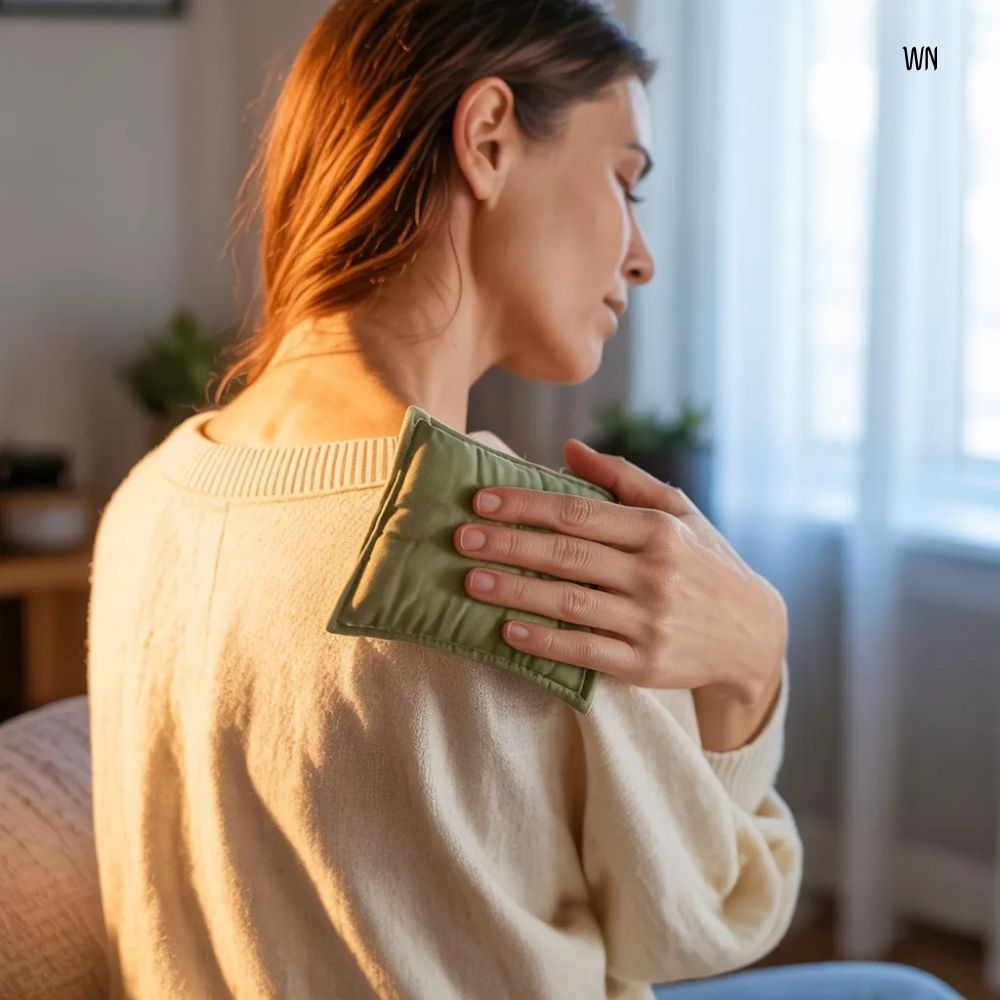
Use warmth intentionally on one tense area of your body. This might be a warm towel on your neck, a heating pad on your lower back, or a warm mug held in your hands. Even a warm shower focused on the shoulders can help.
You do not need to warm your whole body. Focusing on one area often brings noticeable relief. This habit works especially well in the evening or after long periods of sitting. Warmth sends a quiet message of safety that many bodies respond to almost immediately.
Habit 2: Practice “Heavy Rest” for Two Minutes
When the body feels tense, it often feels like it needs to hold itself up constantly. Heavy rest helps counter that effort.
How to try this habit:
Lie down or sit comfortably and intentionally let your body feel heavy. Imagine your muscles sinking into the surface beneath you. You do not need to stretch or move. Simply allow gravity to support you for one or two minutes.
This habit is surprisingly effective because it permits your muscles to stop working. Even short periods of heavy rest can help release tension that builds from constant effort. This is especially helpful during the day when a full rest is not possible.
Habit 3: Use Gentle Pressure With Everyday Objects
Gentle pressure can be very comforting for a tense body. It provides physical feedback that helps the nervous system calm down.
How to try this habit:
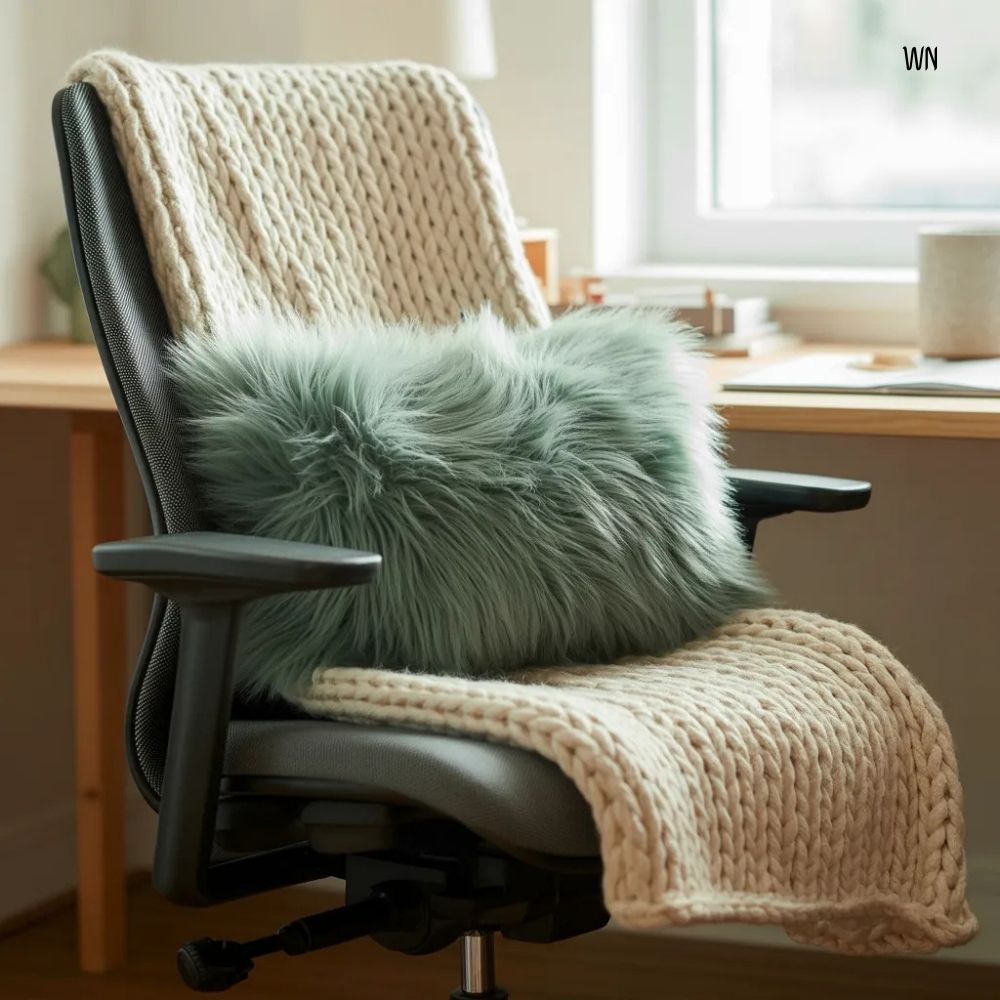
Use items you already have at home. A pillow pressed lightly against your chest, a folded blanket over your legs, or even leaning against a wall can provide soothing pressure.
Some people find that hugging a pillow or wrapping themselves in a blanket helps muscles soften naturally. This habit is simple but often feels surprisingly grounding. Pressure works best when it feels supportive, not restrictive.
Habit 4: Do a Slow Jaw and Face Release
Many people hold tension in their jaw, face, and tongue without realizing it. Releasing this area can have a calming effect on the whole body.
How to try this habit:
Let your jaw hang slightly open and gently massage the sides of your face or temples. Move your jaw slowly side to side or up and down without forcing it.
You can also rest your tongue loosely in your mouth and soften the muscles around your eyes. This habit is subtle, but many people notice their shoulders and neck relax as well. It works well during stressful moments or before sleep.
Habit 5: Try “Long Exhale” Breathing
When the body feels tense, breathing often becomes short and shallow. Lengthening the exhale helps signal relaxation.
How to try this habit:
Breathe in gently through your nose, then exhale slowly through your mouth, making the exhale longer than the inhale. You do not need to count or force it.
Even five or six slow breaths can help reduce tension. This habit is easy to use anywhere and does not draw attention. Long exhales help calm the nervous system without requiring deep or intense breathing.
Habit 6: Change Your Body Position Gently
Staying in one position for too long encourages stiffness and tension, even if the position feels comfortable at first.
How to try this habit:
Instead of stretching hard, simply change positions more often. Stand up, shift weight, roll your shoulders, or move your arms gently.
The goal is not exercise. It is giving your body small reminders that it can move freely. Gentle movement often releases tension without effort. This habit works well during long workdays or periods of focus.
Habit 7: Create a Simple End-of-Day Softening Ritual
Tension often builds throughout the day and carries into the evening. Creating a small ritual helps signal that it is safe to let go.
How to try this habit:
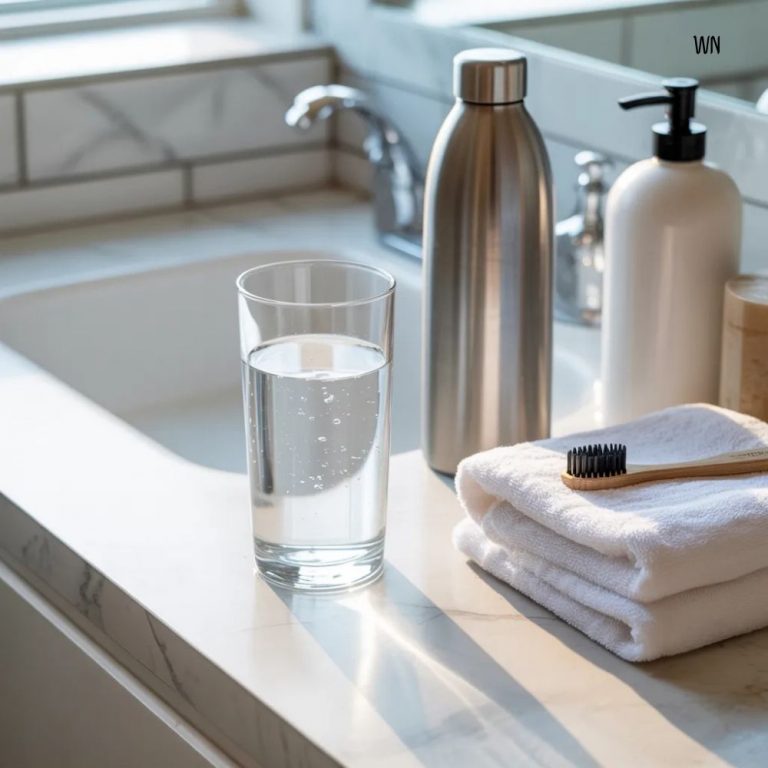
Choose one calming action you repeat each evening. This might be changing into comfortable clothes, dimming lights, washing your face slowly, or sitting quietly for a few minutes.
Repeating the same action helps your body recognize that the day is winding down. Over time, this cue makes relaxation easier and more automatic. Ritual does not need to be long to be effective.
How These Comfort Habits Work Together
These habits support the body in different ways. Warmth relaxes muscles. Pressure provides grounding. Heavy rest reduces effort. Gentle movement restores ease. Breathing calms the nervous system. Ritual creates safety through repetition.
You do not need to practice all of them. Choosing one or two that feel appealing is enough. Comfort works best when it feels kind and optional.
The most effective comfort habits are the ones that feel easy to repeat. If a habit feels stressful or like another task, it is okay to adjust or let it go.
Your body responds to care, not pressure. Small moments of comfort practiced regularly can change how your body feels over time.
A Gentle Takeaway
When your body feels tense, it is asking for reassurance, not correction. Small comfort habits like warmth, gentle pressure, slow breathing, heavy rest, and soft rituals help your body feel supported and safe.
You do not need to fix everything at once. Even one small habit can help your body soften and release tension. Over time, these gentle practices can make your days feel calmer, steadier, and more comfortable, one moment at a time.