Simple Ways to Keep Your Home Feeling Fresh Every Day
A fresh-feeling home is not about perfection, expensive products, or spending hours cleaning. In reality, most homes feel stale or uncomfortable because of small daily habits that quietly add up over time. Dust settles, air becomes trapped, clutter builds slowly, and smells linger longer than we realize. None of this means you are doing anything…
A fresh-feeling home is not about perfection, expensive products, or spending hours cleaning. In reality, most homes feel stale or uncomfortable because of small daily habits that quietly add up over time.
Dust settles, air becomes trapped, clutter builds slowly, and smells linger longer than we realize. None of this means you are doing anything wrong. It simply means your home, like your body, benefits from gentle daily care.
The good news is that keeping your home feeling fresh every day does not require deep cleaning or strict routines. A few practical habits, done consistently, can make a noticeable difference in how your space feels.
This guide focuses on simple, realistic tips that are easy to follow and fit into everyday life. You do not need to do all of them. Even one small change can help your home feel lighter and more comfortable.
Why Homes Lose Their Fresh Feeling So Easily
Homes naturally collect dust, moisture, and odors just from daily living. Cooking, pets, shoes, fabric furniture, and closed windows all contribute. When air does not circulate well, even a clean space can feel heavy or stale.
Freshness is not only about cleanliness. It is about airflow, light, scent balance, and how clutter affects your senses. When these elements are gently supported, a home feels better without needing constant effort.
Tip 1: Air Out Your Home for a Few Minutes Each Day
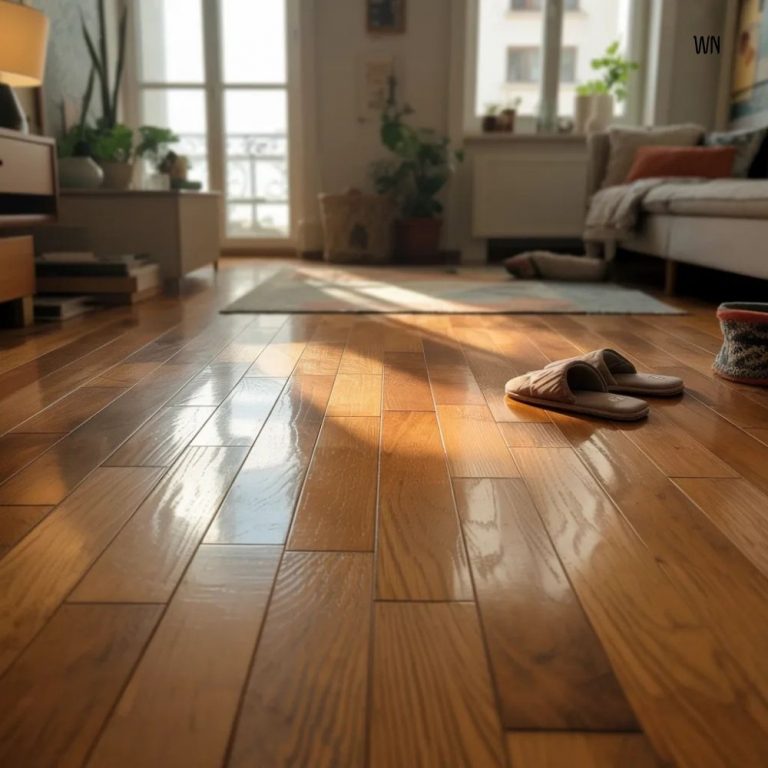
One of the simplest and most effective habits for a fresh home is daily ventilation. Opening windows for even five to ten minutes helps replace stale indoor air with fresh outdoor air. This supports better airflow and reduces lingering odors that cleaning alone cannot remove.
You do not need to open every window or leave them open for long periods. A brief cross-breeze in the morning or afternoon is often enough. If the weather is cold or hot, shorter intervals still help.
Many people notice that rooms feel lighter and smell cleaner after this habit becomes part of their routine. Airing out your home also helps reduce moisture buildup, which can make spaces feel stuffy over time.
A helpful approach is to pair this habit with something you already do, such as making the bed or starting your day. When it becomes automatic, it feels effortless.
Tip 2: Reset One Small Area Instead of Cleaning Everything
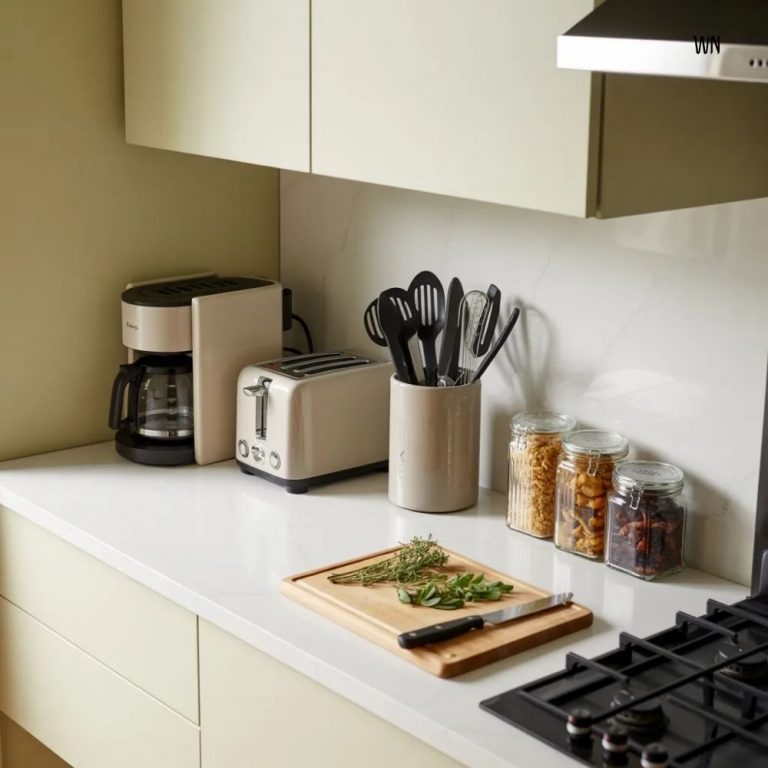
Trying to clean the entire house every day is exhausting and unrealistic. A more helpful approach is to reset one small area daily. This could be the kitchen counter, the coffee table, the entryway, or the bathroom sink.
A reset means returning an area to a calm, usable state, not deep cleaning. Clearing clutter, wiping surfaces, and putting items back where they belong can often be done in five minutes or less.
This habit prevents mess from spreading and helps your home feel consistently cared for. Over time, these small resets reduce the need for long cleaning sessions and make your space feel welcoming every day.
Choosing the same area each day can build rhythm, or you can rotate based on what needs attention. The key is keeping it small and manageable.
Tip 3: Manage Daily Smells Before They Linger
Smells are one of the biggest reasons a home feels less fresh, even when it looks clean. Cooking, trash, laundry, and shoes all contribute to everyday odors. Addressing these smells early makes a big difference.
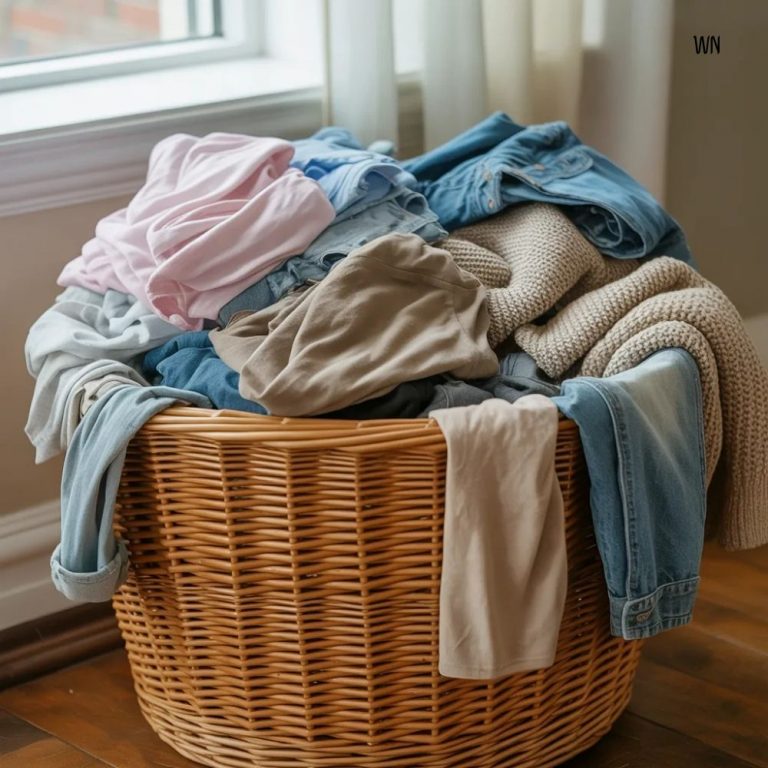
Simple habits like taking out trash regularly, letting shoes air out, and wiping kitchen surfaces after cooking help prevent odors from settling into fabrics and surfaces. In the bathroom, keeping towels dry and allowing air circulation reduces damp smells.
Instead of masking odors with strong scents, focus on removing the source. This creates a fresher environment that feels clean rather than artificially scented.
If you enjoy light fragrance, gentle options like opening windows, using natural materials, or keeping your home well ventilated often work better than heavy sprays.
Tip 4: Keep Soft Surfaces Lightly Maintained
Soft surfaces like sofas, curtains, rugs, and cushions quietly hold dust and odors. These items do not need constant deep cleaning, but light maintenance helps them stay fresh.
Simple actions such as shaking out cushions, vacuuming rugs regularly, or occasionally airing fabrics near a window can make a noticeable difference. These small steps prevent buildup and help your home feel cleaner overall.
Many people focus only on hard surfaces and forget that fabric plays a big role in how a home smells and feels. Giving soft surfaces a little attention supports long-lasting freshness without much effort.
A helpful habit is to include one soft item in your weekly routine, rotating as needed. This keeps everything feeling balanced without becoming overwhelming.
Tip 5: Reduce Visual Clutter to Create a Fresher Feeling
Freshness is not only physical. Visual clutter can make a clean home feel chaotic and heavy. Reducing what is left out on surfaces helps your space feel calmer and more breathable.
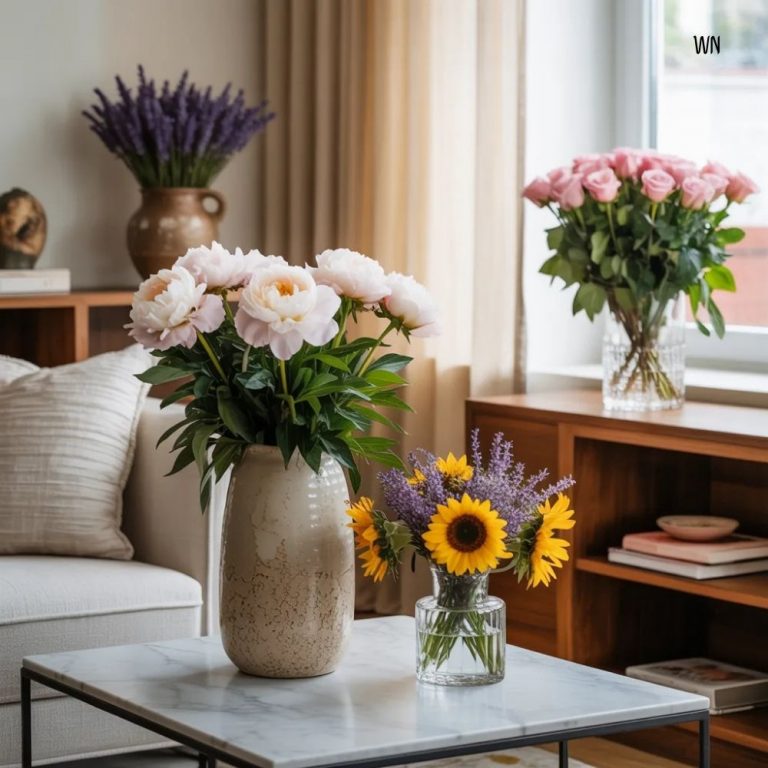
This does not mean minimalism or removing everything you love. It simply means being intentional about what stays visible. Keeping counters, tables, and entryways slightly clearer helps the home feel more organized and peaceful.
Even small changes, like using a tray for loose items or returning things to their place at the end of the day, can make a big difference. When your eyes feel relaxed, your home feels fresher automatically.
This habit also makes cleaning easier, which supports long-term freshness with less effort.
How These Tips Work Together
Each of these tips supports a different aspect of freshness. Airflow improves how your home feels. Small resets keep mess from building. Smell management prevents heaviness. Soft surface care supports cleanliness. Visual calm makes everything feel lighter.
You do not need to do everything at once. Choosing one or two habits that fit your lifestyle is often the most effective approach. Consistency matters more than intensity.
When these habits become part of daily life, your home starts to feel fresh without constant cleaning or stress.
Making Freshness Feel Sustainable
The goal is not to maintain a spotless home but to create a space that supports your comfort and well-being. Keeping habits gentle and realistic makes them easier to maintain long term.
If a day feels busy, doing just one small thing is enough. Freshness builds gradually, and progress does not need to be rushed.
A Calm Takeaway
Keeping your home feeling fresh every day is about small choices, not constant effort. Simple habits like letting in air, resetting one space, managing smells early, caring for soft surfaces, and reducing visual clutter can transform how your home feels.
You are not behind, and your home does not need to be perfect. Even one small change can make your space feel lighter and more welcoming. Over time, these gentle habits help your home support you, day after day.