How to Use the Same Ingredients Across Multiple Meals
Cooking feels harder than it should when every meal starts from scratch. Different recipes ask for different ingredients, grocery lists grow long, and leftovers sit unused because they no longer fit the next plan. The result is extra shopping, extra prep, and food that quietly goes to waste. The encouraging truth is that cooking becomes…
Cooking feels harder than it should when every meal starts from scratch. Different recipes ask for different ingredients, grocery lists grow long, and leftovers sit unused because they no longer fit the next plan. The result is extra shopping, extra prep, and food that quietly goes to waste.
The encouraging truth is that cooking becomes significantly easier when meals are built around overlapping ingredients rather than separate recipes. When the same core ingredients are used across multiple meals, planning simplifies, prep time shrinks, and the fridge becomes easier to manage.
Using the same ingredients does not mean eating the same meal repeatedly. It means choosing ingredients that can move easily between meals and preparing them in ways that stay flexible.
This approach works well for real households because it reduces decision fatigue and creates natural momentum in the kitchen. Instead of asking “What should we cook tonight?” every day, you start asking “How can we use what we already have?” That small shift changes everything.
Why Cooking Feels Complicated When Ingredients Don’t Overlap
Most meal plans fail not because people dislike cooking, but because they create unnecessary complexity. When each meal requires a unique set of ingredients, shopping becomes longer, storage becomes crowded, and prep feels repetitive.
You chop onions one day, then again the next. You open a package for one recipe and forget it exists afterward. Over time, this creates frustration and waste.
Another issue is that recipes are often written to stand alone, not to fit into a week of cooking. They do not account for what you already have or what you will cook next. When meals are disconnected, leftovers become awkward and ingredients lose relevance quickly.
The solution is not more planning. It is smarter ingredient selection.
The Core Principle: Choose Flexible Ingredients First
The foundation of using the same ingredients across multiple meals is choosing ingredients that adapt easily to different flavors and formats. Flexible ingredients can be roasted, sautéed, eaten raw, blended into sauces, or added to soups and grain bowls. They work in different cuisines and at different times of day.
Examples include onions, garlic, bell peppers, carrots, zucchini, leafy greens, rice, pasta, eggs, beans, chicken, tofu, yogurt, and basic sauces. These ingredients act as building blocks rather than fixed components. When most of your grocery list is made up of flexible ingredients, meal variety comes from how they are combined, not from buying more.
Step One: Build Meals Around a Small Core, Not Separate Recipes
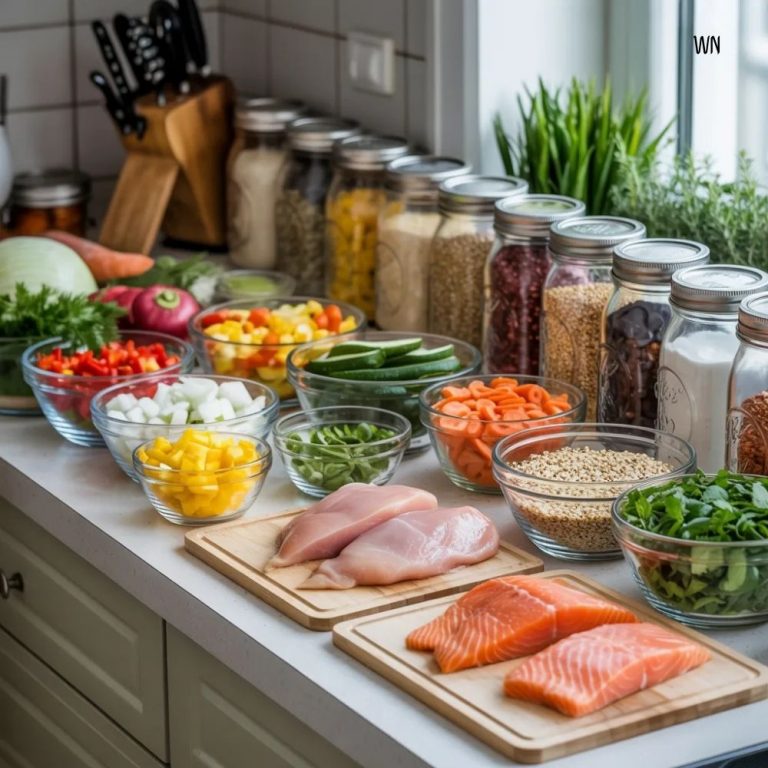
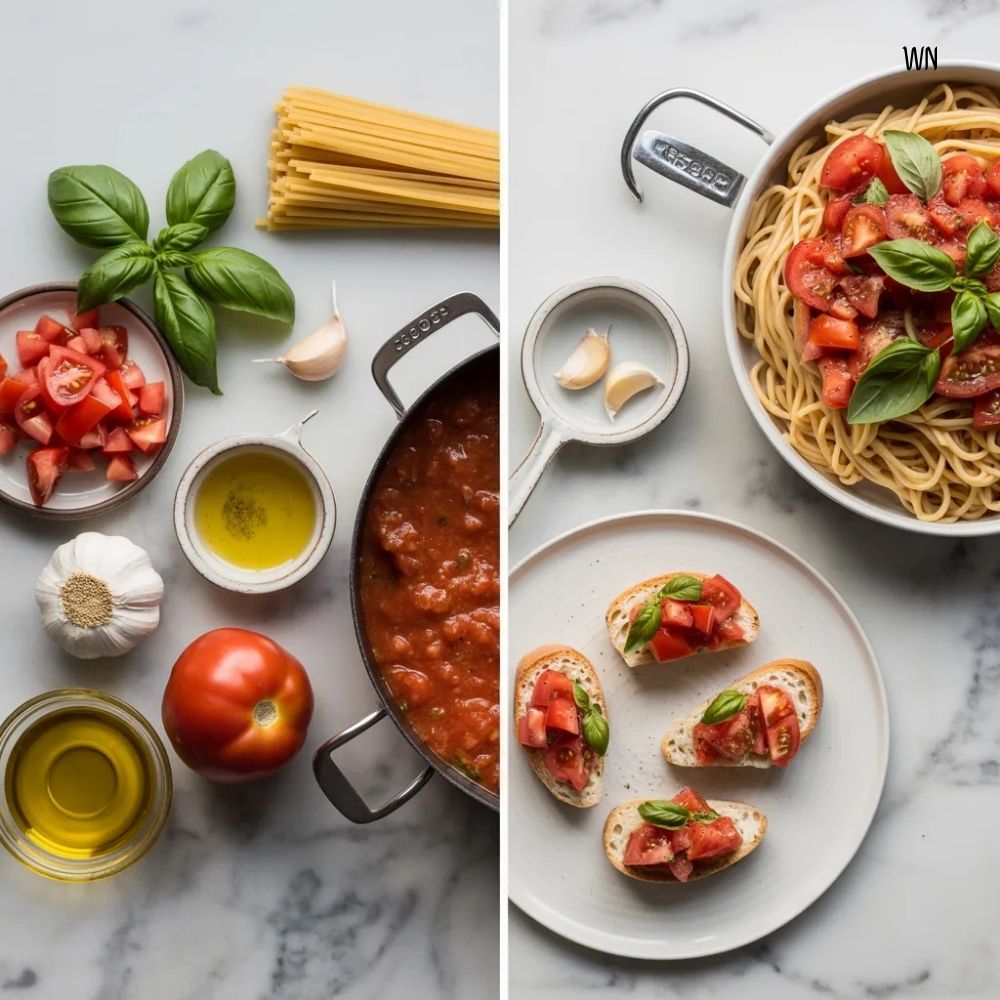
Instead of planning five separate meals, start by choosing a core group of ingredients you are willing to cook and eat several times during the week. This might be a protein, two or three vegetables, and a base such as rice or pasta.
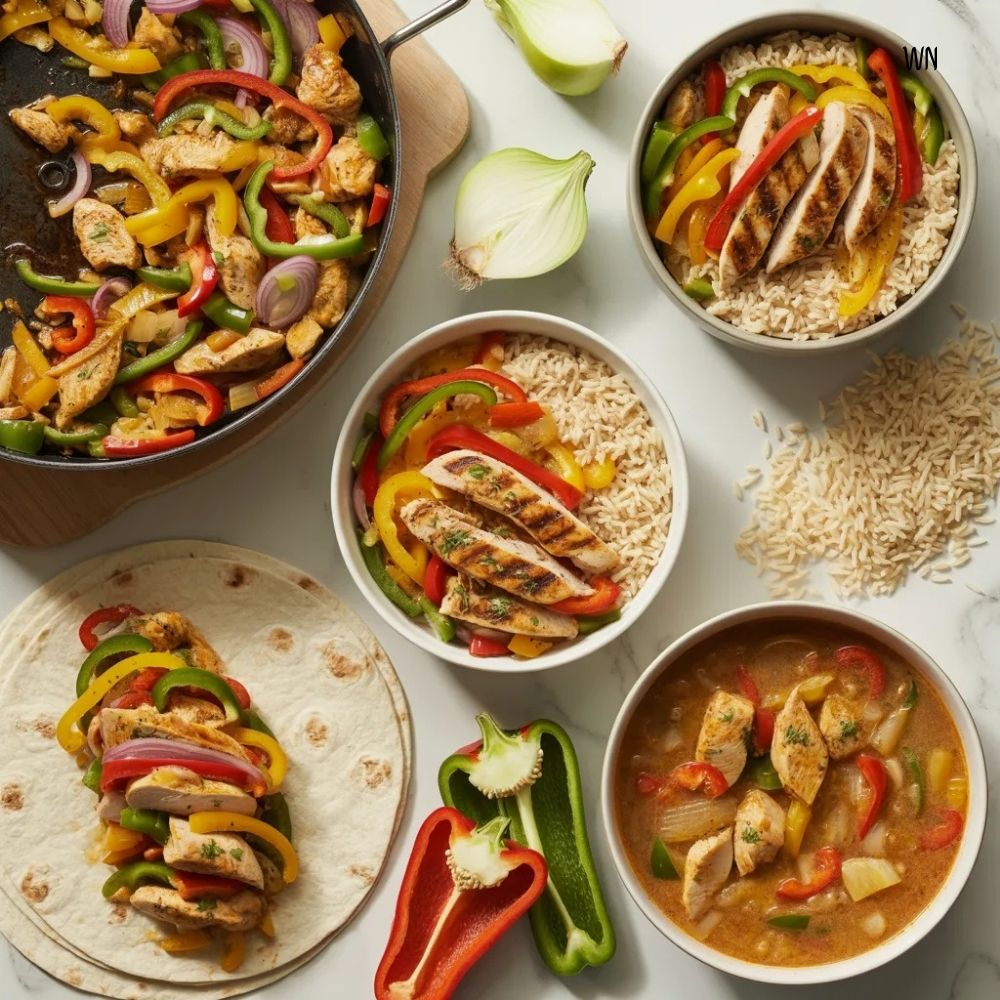
For example, if you choose chicken, bell peppers, onions, and rice, you can create multiple meals without changing your shopping list. One night might be a stir-fry, another a rice bowl, another a wrap filling, and another a soup base. The ingredients stay the same, but the format shifts.
Step Two: Prep Ingredients, Not Meals
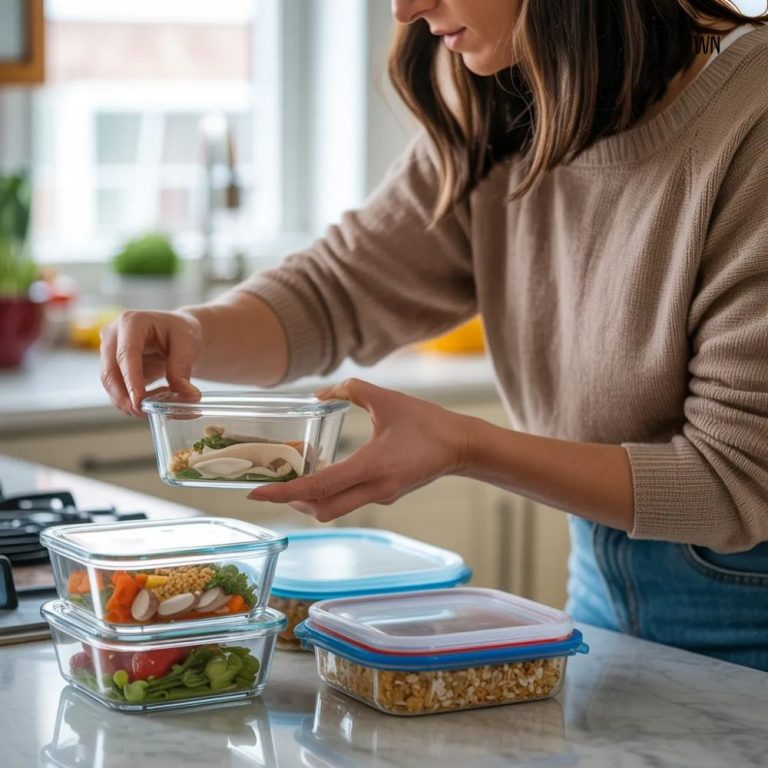
Meal prep often feels overwhelming because it aims to prepare full meals in advance. A more flexible and sustainable approach is to prep ingredients instead of finished dishes.
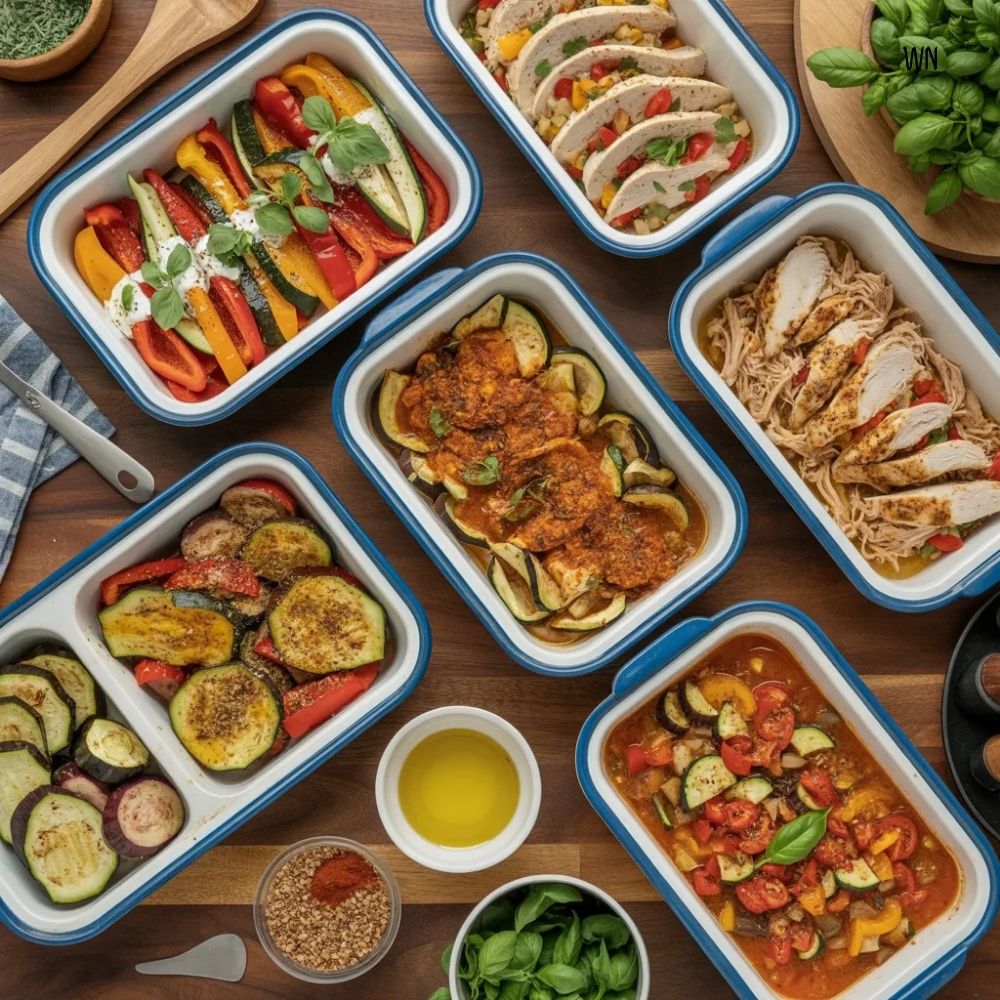
Chop vegetables once and store them in containers. Cook a batch of grains and keep them ready to use. Roast or cook protein in a neutral way that can be seasoned later. This keeps options open and prevents the feeling of being locked into one meal.
When ingredients are prepped and visible, cooking becomes assembly rather than starting from zero. This saves time and reduces friction on busy days.
Step Three: Change Flavor Profiles, Not Ingredients
One of the easiest ways to create variety with the same ingredients is to change the flavor direction rather than the base components. The same vegetables and protein can feel completely different depending on seasoning, sauce, and cooking method.
For example, roasted vegetables can become a Mediterranean bowl with olive oil and herbs one day, a taco filling with spices another day, and a soup base the next. Chicken can be shredded for salads, sliced for stir-fries, or simmered in broth for soup.
By keeping seasonings flexible and added at the end, you avoid flavor fatigue while still benefiting from ingredient overlap.
Step Four: Use Leftovers as Components, Not Meals
Leftovers often go uneaten because they are treated as finished meals rather than ingredients for the next meal. A cooked vegetable, grain, or protein does not need to be eaten the same way twice.
For example, roasted vegetables from dinner can be added to eggs for breakfast, mixed into pasta for lunch, or blended into a soup. Cooked rice can become fried rice, a grain bowl, or a side for a different protein. Leftover chicken can become wraps, salads, or sandwiches.
When leftovers are viewed as components, they become useful again instead of repetitive.
Step Five: Plan Meals in Pairs or Trios
Instead of planning an entire week at once, plan meals in small groups that intentionally share ingredients. Two or three meals that overlap significantly are easier to manage than a full week of variety.
For example, one grocery trip might support three dinners that all use the same vegetables and protein. Once those are used, you can choose a new set of ingredients for the next group of meals. This approach keeps cooking interesting without overwhelming your fridge or your schedule.
Step Six: Use One “Anchor” Ingredient Per Meal Set
An anchor ingredient is something you commit to using fully within a few days. This might be a head of broccoli, a container of spinach, a pack of tortillas, or a pot of cooked grains.
By choosing one anchor ingredient and intentionally building meals around it, you reduce waste and simplify planning. The anchor ingredient becomes the starting point rather than an afterthought.
This also helps guide creativity. Instead of wondering what to cook, you ask how to use what needs attention.
Step Seven: Keep Ingredients Visible and Grouped
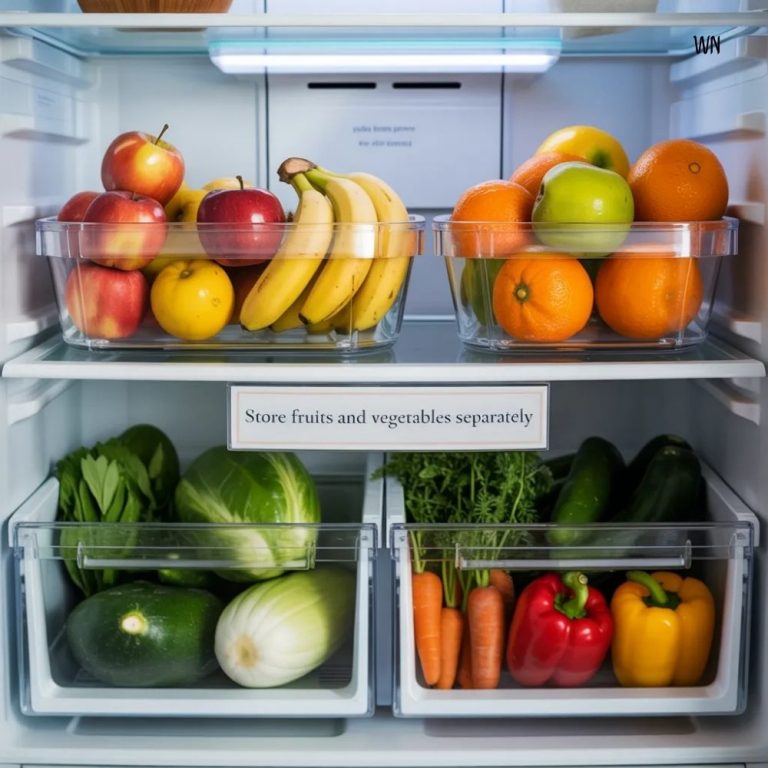
Visibility matters. Ingredients that are hidden get forgotten. Keeping prepped ingredients in clear containers and grouping related items together helps you remember what is available.
For example, keeping chopped vegetables together on one fridge shelf makes it easier to see what can be used. Storing cooked grains and proteins near each other encourages combination rather than starting fresh. This setup supports spontaneous cooking decisions and reduces reliance on recipes.
Why This Approach Saves Time, Money, and Energy
When ingredients overlap, shopping lists shrink, prep time decreases, and storage becomes simpler. Fewer ingredients mean fewer decisions, fewer forgotten items, and fewer trips to the store. Cooking becomes more intuitive because you are working with familiar components.
This approach also supports flexibility. When plans change, meals adapt easily because ingredients can be rearranged rather than wasted.
If meals start to feel repetitive, add variety through sauces, herbs, or cooking methods rather than new ingredients. If ingredients still go unused, reduce the number you buy or choose more flexible options.
A Helpful Final Thought
Using the same ingredients across multiple meals is not about limiting yourself. It is about working smarter so cooking fits into real life. When we choose flexible ingredients, prep once, and build meals around what we already have, food becomes easier, more efficient, and far less stressful.
If you would like, we can next create a sample week built around one grocery list, a flexible meal rotation system, or a fridge setup that supports ingredient-based cooking. Just tell us what would help you most right now.