How to Take Care of Your Plants When You’re Too Busy
Most people do not neglect their plants because they do not care. They neglect them because life gets busy in very ordinary ways. Days blur together, routines shift, and suddenly watering day is missed, then missed again. Before long, leaves droop, soil dries out completely, or plants are overwatered in a rush to “fix” the…
Most people do not neglect their plants because they do not care. They neglect them because life gets busy in very ordinary ways. Days blur together, routines shift, and suddenly watering day is missed, then missed again.
Before long, leaves droop, soil dries out completely, or plants are overwatered in a rush to “fix” the problem. This cycle creates guilt, frustration, and the feeling that plants require more time and attention than we can realistically give.
The good news is that plants do not need constant care to stay healthy. They need consistency more than frequency, and consistency can be created through setup rather than effort.
When plant care is designed to work even on busy weeks, plants stop feeling like another responsibility and start feeling like a quiet support in your home again.
This guide focuses on realistic ways to keep plants healthy when time is limited, including one simple DIY system that dramatically reduces how often you need to think about watering.
Why Busy Schedules Make Plant Care Feel Harder Than It Is
Plant care often feels harder during busy seasons because it relies on memory and timing. Unlike chores with clear deadlines, plant care is flexible, which makes it easy to postpone unintentionally. One missed watering does not seem urgent, but several missed waterings in a row create visible stress in plants.
Another issue is that many people treat all plants the same. Different plants have different water and light needs, but busy schedules rarely allow for individualized care. This leads to overwatering some plants and underwatering others, even with good intentions.
The key is to remove guesswork and reduce how often care is required. When plants are set up to tolerate inconsistency, they become much easier to keep alive during demanding periods.
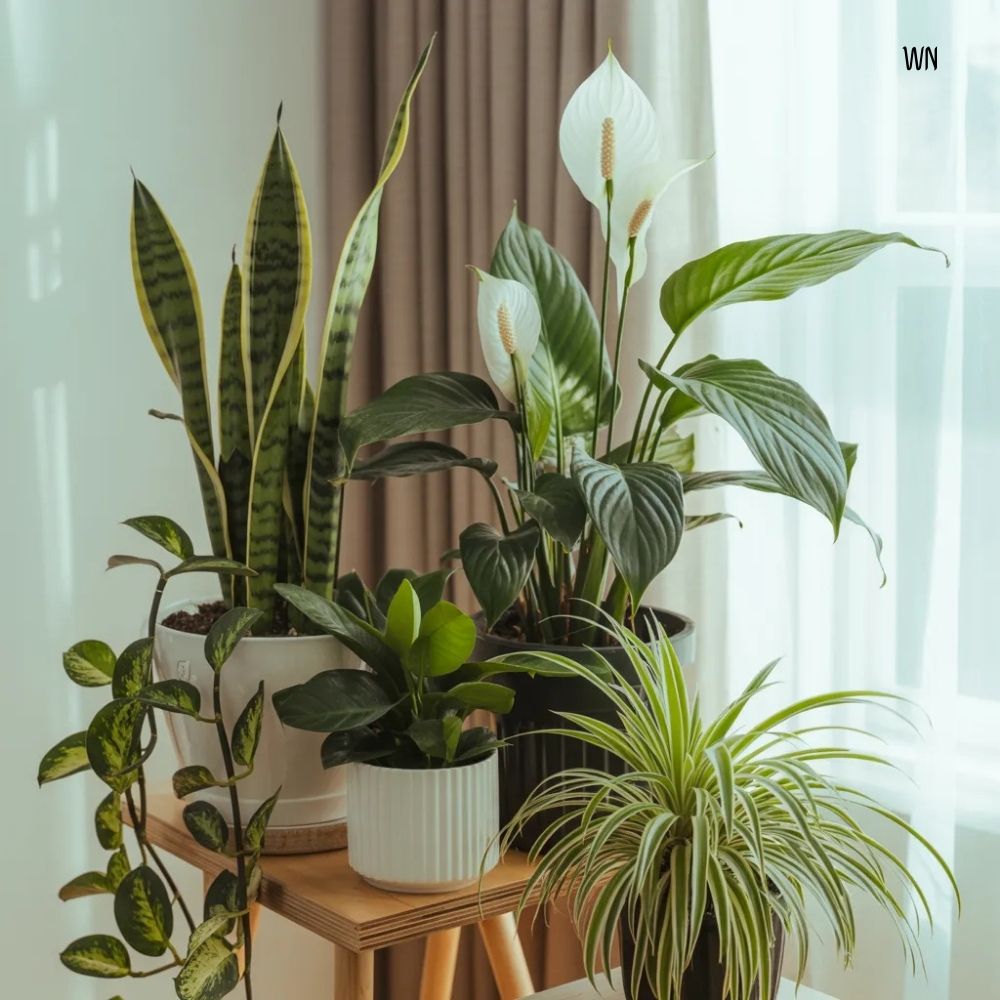
The Core Principle: Design Plant Care for Low Attention, Not Perfect Care
The most important mindset shift is this: plants should fit your life, not compete with it. This means choosing care methods and routines that still work when you forget, travel, or feel exhausted.
Low-attention plant care focuses on three things. First, choosing forgiving plants. Second, setting up soil and containers that hold moisture well. Third, using systems that water slowly over time instead of all at once. When these three elements are in place, missing a watering day stops being a crisis.
Step One: Group Plants by Water Needs
One of the simplest ways to reduce effort is grouping plants with similar needs together. When plants with different watering requirements are scattered across the home, care becomes complicated and easy to forget.
We recommend creating two or three general groups rather than individual schedules. For example, one group for plants that like drying out between watering, one for plants that prefer consistently moist soil, and one for very low-water plants.
Keeping each group in the same area allows you to water them together without thinking too much. This approach reduces decision-making and makes quick check-ins more effective.
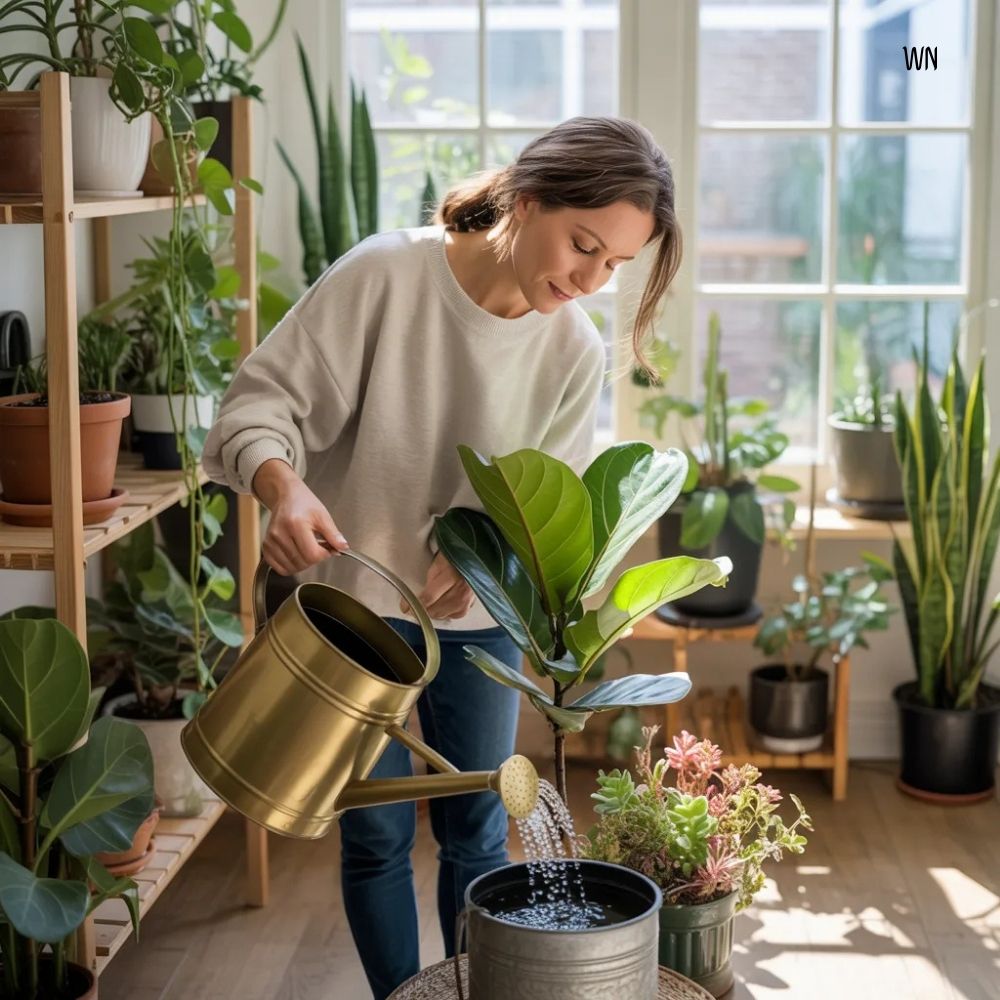
Step Two: Use Containers That Help You, Not Fight You
Pot choice matters more than most people realize, especially when time is limited. Containers that dry out too quickly require frequent attention, while containers without drainage can lead to overwatering.
For busy schedules, medium-weight pots with drainage holes work best. They hold moisture longer without staying soggy. Using saucers underneath allows excess water to drain safely while keeping floors protected.
Avoid very small pots for busy weeks. Small pots dry out faster and require more frequent watering. Repotting into a slightly larger container can immediately reduce how often watering is needed.
Step Three: Improve Soil So Water Lasts Longer
Healthy soil acts like a buffer. It absorbs water evenly and releases it slowly, giving roots time to take what they need. Poor soil dries out unevenly, which stresses plants even when watering happens regularly.
For busy plant owners, adding materials that improve moisture retention makes a big difference. Mixing in coco coir or peat-based components helps soil hold water without becoming compacted.
This simple adjustment reduces how quickly soil dries out and increases tolerance for missed watering. This is a one-time setup change that pays off every week afterward.
Step Four: Place Plants Where You See Them Naturally
Plants that are out of sight are easy to forget. Busy schedules amplify this effect. Placing plants where you already spend time increases the chance of noticing when they need care.
We recommend placing plants near windows you pass daily, on counters you use, or in rooms where you relax. Avoid placing plants in spare rooms or corners you rarely enter unless they are extremely low maintenance.
Visibility reduces reliance on reminders and makes plant care feel more natural.
Step Five: Water Less Often, but More Thoroughly
When time is limited, it is tempting to give plants small amounts of water frequently. This often leads to shallow root systems and plants that dry out faster.
Instead, watering thoroughly less often encourages deeper roots and healthier growth. When you do water, soak the soil fully and allow excess water to drain. This approach gives plants a reserve to draw from and increases resilience during busy periods. Thorough watering also means fewer watering sessions overall.
A Simple DIY That Makes Busy Plant Care Much Easier
One of the most effective ways to reduce watering frequency is using a DIY slow-watering system that releases water gradually over several days. This system is inexpensive, quick to set up, and works well for many houseplants.
DIY Plastic Bottle Slow Watering System
This DIY uses items you likely already have and can keep plants hydrated for days or even weeks depending on plant size and environment.
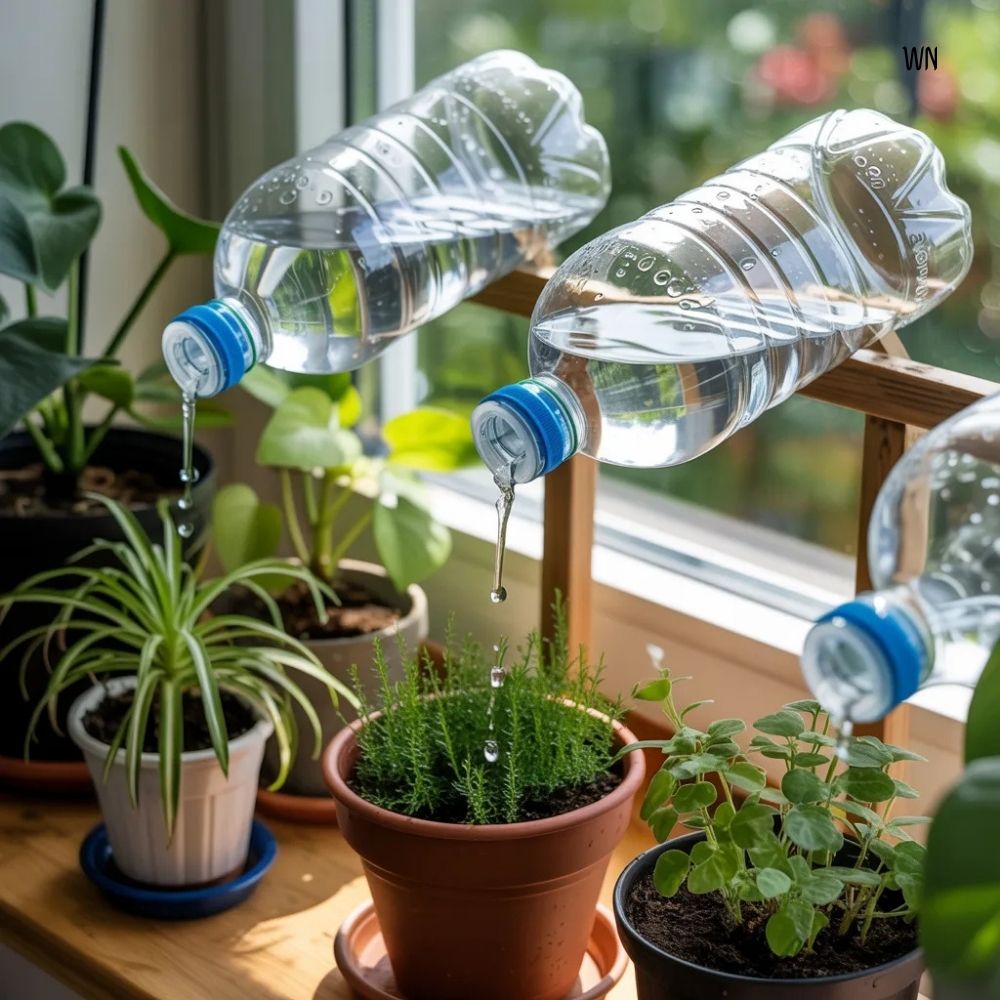
Start with a clean plastic bottle. A small bottle works for small plants, while larger plants benefit from larger bottles. Poke two or three very small holes near the bottom of the bottle using a pin or nail. The holes should be tiny so water releases slowly.
Fill the bottle with water, then turn it upside down and push the neck gently into the soil near the edge of the pot, not directly against the stem. The soil should hold the bottle in place. As the soil dries, water is slowly released, maintaining moisture without overwatering.
This system works especially well for plants that prefer evenly moist soil and is ideal for busy weeks or short trips.
Another DIY Option: Wick Watering for Hands-Off Care
Wick watering is another low-effort DIY that provides steady moisture over time. It is especially useful for plants that struggle with inconsistent watering.
To set this up, place one end of a cotton string or fabric strip into a container of water and the other end into the plant’s soil. The fabric draws water upward gradually, keeping soil moist.
This method requires very little maintenance and can be adjusted by changing the thickness of the wick or the size of the water container.
Step Six: Accept “Good Enough” Plant Care
One of the biggest sources of stress around plants is the belief that care must be perfect. In reality, plants are adaptable and forgiving. Leaves may yellow occasionally. Growth may slow. These are normal responses to changing conditions.
Busy seasons are temporary. Plants that are supported with good setup recover quickly once routines return. Accepting imperfection makes plant care sustainable long-term.
A Helpful Final Thought
Taking care of plants when you are busy is not about finding more time. It is about setting things up so plants are supported even when your attention is elsewhere. With forgiving plants, thoughtful placement, and simple DIY watering systems, plant care becomes something that fits quietly into your life instead of competing with it.
If you would like, we can next create a busy-person plant list, a weekly five-minute plant care routine, or a room-by-room guide for low-effort plant placement. Just tell us what would help you most right now.