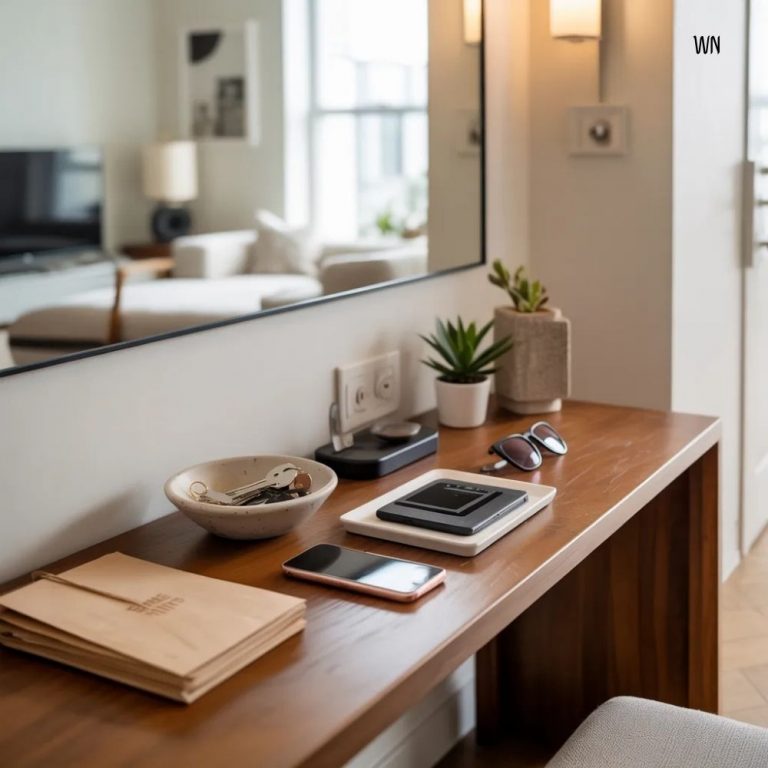
How to Keep Floors Clean Longer Without Cleaning More
Keeping floors clean often feels like a losing battle. You sweep or vacuum, and within hours crumbs reappear, dust settles, and footprints seem to multiply out of nowhere. The frustration is not that cleaning floors is hard, but that the results do not last. The encouraging truth is that floors usually get dirty again not…
Keeping floors clean often feels like a losing battle. You sweep or vacuum, and within hours crumbs reappear, dust settles, and footprints seem to multiply out of nowhere. The frustration is not that cleaning floors is hard, but that the results do not last.
The encouraging truth is that floors usually get dirty again not because they need more frequent cleaning, but because dirt is being invited back in through daily habits and layout choices that most of us never think about. When we adjust those small factors, floors stay cleaner naturally, without adding another chore to your day.
The goal here is not spotless floors at all times. The goal is floors that stay acceptably clean longer so you are not constantly reacting to mess.
When we stop dirt at the source, reduce how it spreads, and clean in a way that actually lasts, the amount of effort required drops significantly. This guide focuses on practical changes you can make once and benefit from every day afterward.
Why Floors Get Dirty So Fast in the First Place
Floors get dirty quickly for three main reasons: dirt is brought in repeatedly, debris spreads easily, and cleaning often removes visible mess but not the causes.
Shoes track in dust, grit, and moisture. Crumbs fall where food is carried rather than where it is prepared. Pets, airflow, and foot traffic move debris across rooms instead of keeping it contained.
Another overlooked issue is cleaning order. Many people clean floors before counters, tables, or entry areas, which causes debris to fall back down after the floor is already clean. This makes it feel like floors never stay clean, even though they were cleaned recently. The problem is not effort. It is sequence and prevention.
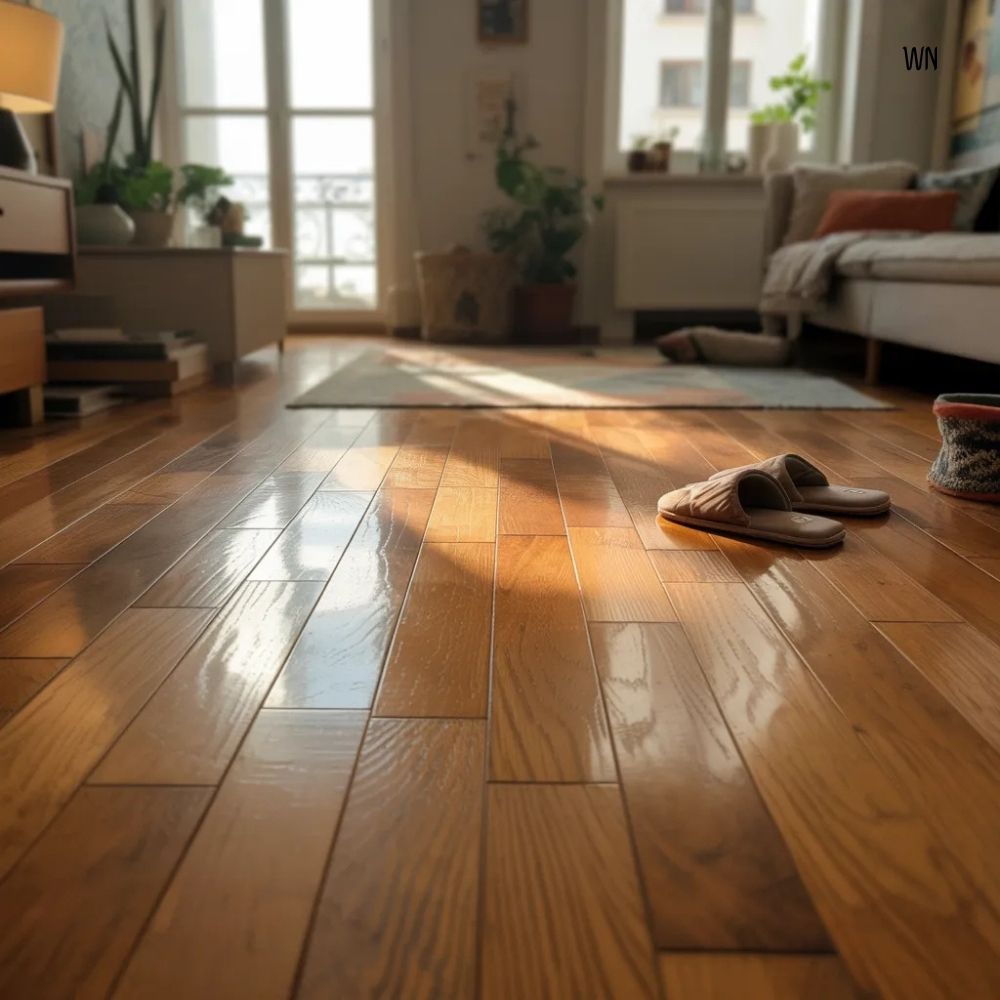
Step One: Stop Dirt at the Door, Not on the Floor
The single most effective way to keep floors clean longer is to reduce how much dirt enters the home in the first place. Shoes are the biggest contributor, even when they look clean. Dust, sand, pollen, and outdoor debris cling to soles and spread across floors with every step.
We recommend creating a clear shoe transition at the entrance you use most often. This does not need to be formal or strict. A simple mat outside the door paired with a second mat inside dramatically reduces debris.
The outdoor mat removes larger grit, while the indoor mat catches finer dust. Shoes should be removed or wiped in this zone before entering the main living space whenever possible.
If a no-shoes policy is unrealistic, even wiping shoes on both mats before walking inside makes a noticeable difference. This small habit reduces the amount of dirt that reaches your floors more than frequent sweeping ever could.
Step Two: Contain Mess Where It Happens Most
Floors get dirty fastest in specific zones, not evenly across the home. Entryways, kitchens, dining areas, and pet feeding spots are the primary problem areas. When we treat the entire floor as one big surface, we miss the opportunity to contain mess where it starts.
In the kitchen and dining area, crumbs fall where food is carried and eaten, not necessarily where it is cooked. Adding a small, easy-to-clean rug or mat under high-use areas like the sink, prep space, or dining table helps trap debris before it spreads. These rugs do not need to be decorative. They need to be washable and stable.
For pets, placing a mat under food and water bowls prevents splashes and tracked crumbs from spreading outward. In entryways, a runner or durable rug can absorb dust and moisture that would otherwise travel deeper into the home.
Step Three: Change the Order You Clean, Not the Frequency
One reason floors seem to get dirty again immediately is that they are often cleaned too early. When counters, tables, and surfaces are wiped after the floor is cleaned, debris falls down and undoes the work.
A simple rule helps here: floors are always cleaned last. Before touching the floor, clear and wipe surfaces where crumbs, dust, or debris might fall. Shake out rugs if needed. Finish dishes and counter wiping first. When the floor is the final step, it stays cleaner longer because nothing else is dropping onto it afterward.
This change does not add time. It simply ensures that the effort you already put in actually lasts.
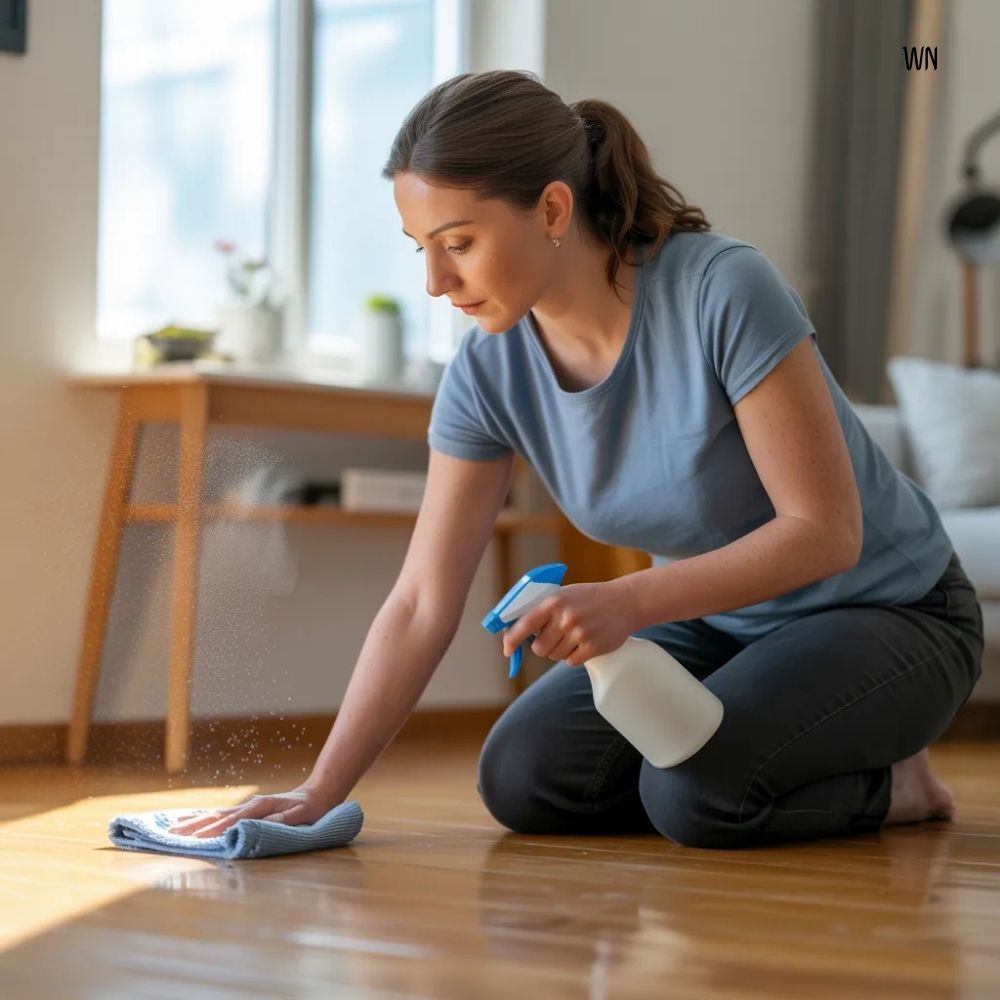
Step Four: Use Spot Cleaning Instead of Full Cleaning
Floors rarely need full cleaning as often as we think. What they need is targeted attention in high-use spots. Instead of sweeping or vacuuming the entire room daily, focus on visible problem areas.
A quick pass near the sink, stove, dining area, or entryway often removes most of the mess that makes floors feel dirty. Ignoring low-traffic areas allows you to save energy while still keeping the floor comfortable and presentable.
This approach keeps floors looking cleaner overall because you are addressing the areas that matter most instead of spreading effort thinly across the entire space.
Step Five: Choose Tools That Match Your Floor Type
Using the wrong tool often makes cleaning less effective and more frequent. A broom that pushes dust into the air instead of collecting it allows particles to resettle quickly. A vacuum without proper filtration can do the same.
For hard floors, a broom or vacuum designed to trap fine dust rather than scatter it makes a noticeable difference. For homes with pets, tools designed for hair pickup prevent fur from redistributing across the floor. Using the right tool once is far more effective than using the wrong tool repeatedly.
Why These Changes Work Together
Each of these steps works on its own, but together they create a system. Dirt enters less often, spreads less widely, and is removed before it accumulates. Floors stay cleaner not because we are cleaning more, but because we are preventing mess and cleaning smarter.
Over time, many people notice that their floors feel cleaner even on days they do not clean at all. That is the sign the system is working.
If floors still feel dirty quickly, look at where mess is coming from. Is there an entrance without a mat? A high-traffic area without containment? A habit that causes crumbs to travel across rooms? Treat these as clues, not failures.
A Helpful Final Thought
Keeping floors clean longer does not require perfection, constant cleaning, or better discipline. It requires understanding how dirt moves through your home and gently redirecting it. When we stop mess at the door, contain it where it starts, and clean in a way that actually lasts, floors take care of themselves far more than we expect.
If you would like, we can next create a room-by-room floor strategy, a pet-friendly floor setup, or a five-minute daily reset that protects floors all week. Just tell us what would be most helpful for you right now.