How Buying Flowers for Your Home Changes the Way Your Space Feels (and How to Do It Right)
Buying flowers for your home is often seen as a special occasion habit rather than a practical one. Flowers are associated with celebrations, gifts, or moments meant to impress. In everyday life, they are treated as optional or indulgent. The reality is that flowers can quietly improve how a home feels on a daily basis…
Buying flowers for your home is often seen as a special occasion habit rather than a practical one. Flowers are associated with celebrations, gifts, or moments meant to impress. In everyday life, they are treated as optional or indulgent.
The reality is that flowers can quietly improve how a home feels on a daily basis with very little effort, especially when chosen and used in a realistic way. When we stop treating flowers as something fragile or formal and start treating them as a simple household support, they become surprisingly useful.
Flowers change how we experience a space not by adding function, but by changing mood, attention, and rhythm. A home with fresh flowers often feels more cared for, calmer, and more intentional, even if nothing else has changed.
This effect does not require large bouquets, expensive arrangements, or constant replacement. It requires understanding why flowers matter and how to buy them in a way that fits real life.
Why Flowers Make a Home Feel Better Almost Instantly
Flowers affect a space in a way that few other objects do. They introduce color that is not manufactured, shapes that are not rigid, and movement that shifts slightly throughout the day. This combination softens rooms visually and reduces the sense of flatness that can build up in homes filled with furniture, screens, and straight lines.
Flowers also act as a visual pause. When your eyes land on flowers, they naturally slow down. This creates small moments of relief during the day, especially in busy homes where attention is constantly pulled in multiple directions. Even a small arrangement on a counter or table can change how a room feels when you walk into it.
Another reason flowers improve a home is that they signal care without perfection. A home with flowers feels lived-in and supported rather than staged. This makes the space feel more welcoming to the people who live there, not just to guests.
Why Buying Flowers for Yourself Feels Different Than Receiving Them
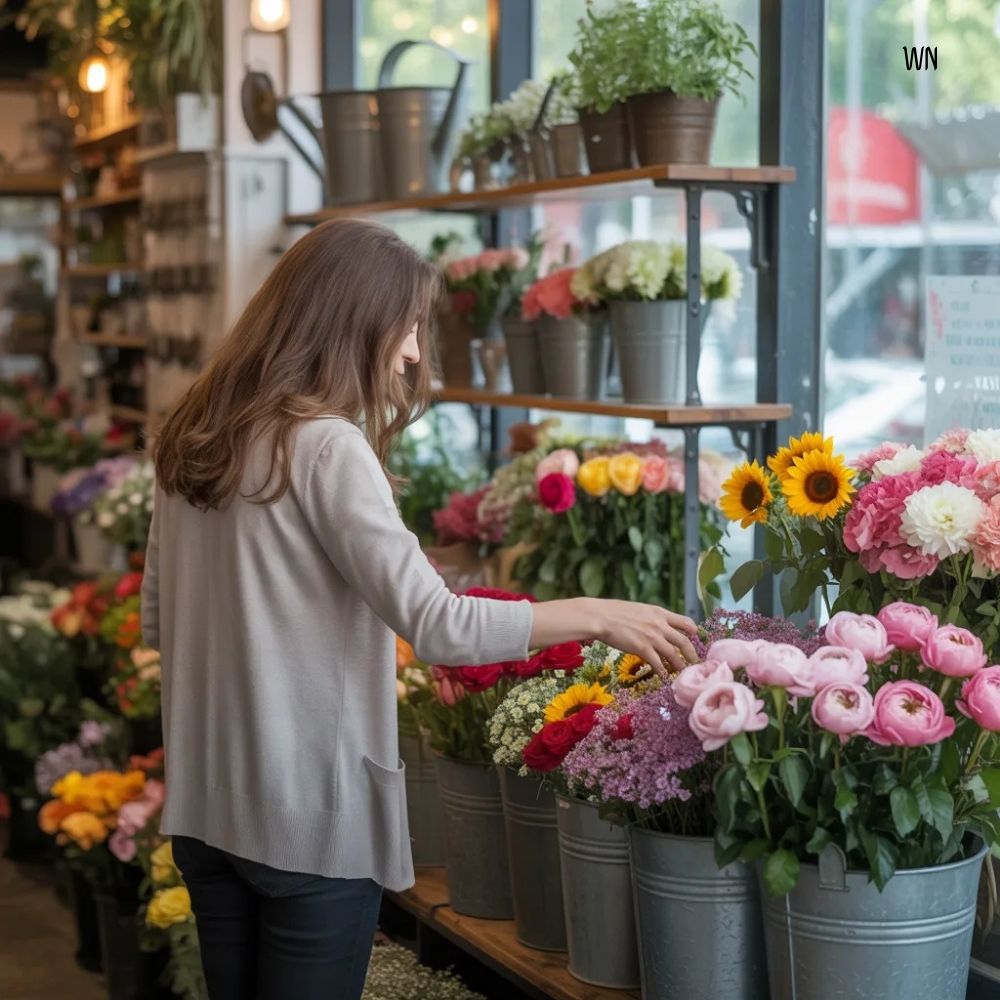
When flowers are received as a gift, they carry emotional meaning tied to the giver or the occasion. When you buy flowers for your home, they carry a different kind of value. They become a choice you made to improve your environment, not a reaction to an event.
This shift matters. Buying flowers for yourself reframes them as part of daily living rather than a luxury. Over time, this habit can subtly change how you relate to your space. Instead of waiting for things to feel special, you create small moments of comfort intentionally.
Importantly, this does not require buying flowers often or spending much money. The impact comes from consistency, not extravagance.
What Makes Flowers Worth Buying for Everyday Use
Not all flowers are equally suited for everyday home use. The best flowers for daily living share a few key qualities. They are reasonably priced, last several days with basic care, and look good without complicated arranging.
Flowers that require constant trimming, special food, or careful positioning tend to create stress rather than comfort. Everyday flowers should tolerate imperfect care and still look good in simple vases.
Choosing flowers with sturdy stems and fuller blooms often provides better value and longer enjoyment than delicate varieties that fade quickly.
How to Choose Flowers That Fit Real Life
When buying flowers for your home, it helps to shift your mindset from “arrangement” to “presence.” You are not buying a centerpiece. You are buying something that will live with you for several days.
Start by choosing flowers that look good even as they age. Flowers that open gradually or maintain structure as they dry tend to feel less disappointing over time. Avoid choosing flowers that rely on being perfectly fresh to look good.
Color also matters. Neutral or soft colors tend to blend into daily life more easily, while very bold colors can feel overwhelming after a day or two. There is no rule here, but it helps to choose colors you enjoy seeing repeatedly.
Where to Place Flowers So They Actually Help
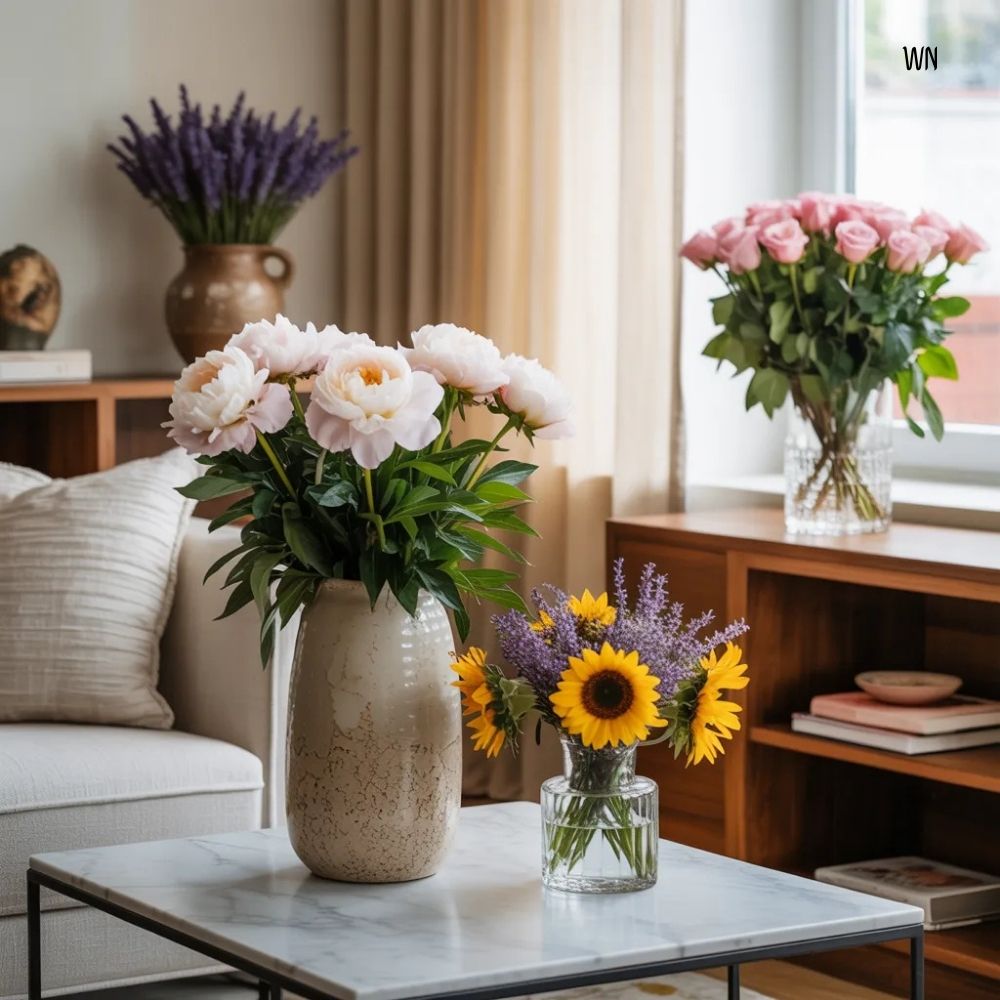
Placement determines whether flowers feel like a burden or a benefit. Flowers should be placed where you naturally spend time, not where they look best for photos.
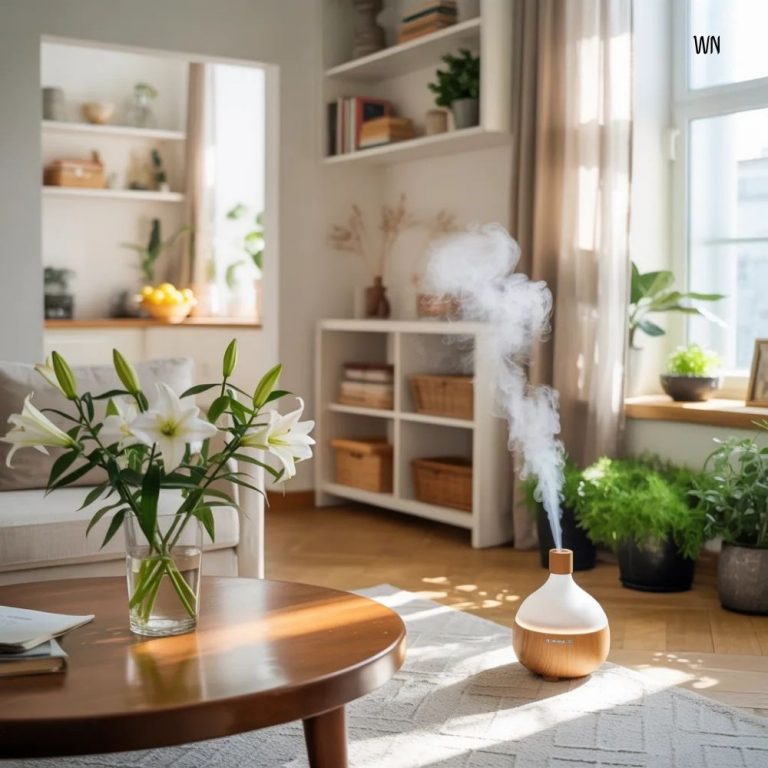
Common high-impact spots include kitchen counters, dining tables, entryways, and bedside tables. These areas benefit from a visual softening and are visited frequently enough to enjoy the flowers.
Avoid placing flowers where they interfere with daily tasks or require constant moving. If you have to shift a vase every time you cook or clean, it will start to feel like clutter. One well-placed arrangement is more effective than several scattered ones.
How Many Flowers Are Enough
You do not need a large bouquet to feel the effect of flowers. Often, fewer stems arranged simply feel more natural and less formal.
A small bunch in a simple vase can look intentional without dominating the space. This also makes flowers more affordable and easier to replace when needed.
Buying fewer flowers more regularly often feels better than buying a large arrangement occasionally.
Simple Flower Care That Extends Their Life Without Effort
Keeping flowers fresh does not require expert care. A few basic habits make a noticeable difference.
Changing the water every couple of days helps prevent bacteria buildup. Trimming stems slightly when placing flowers in water improves absorption. Keeping flowers out of direct heat or strong sunlight helps them last longer.
These steps take minutes and significantly increase how long flowers stay enjoyable. Over-care is rarely necessary and often counterproductive.
How Flowers Change the Rhythm of a Home
Flowers introduce a subtle sense of time passing. Buds open, petals fall, and arrangements change shape. This gentle progression adds a living rhythm to the home that static decor cannot provide.
This rhythm can make a home feel more connected to natural cycles, especially for people who spend much of their time indoors. It is a quiet reminder that change can be soft and gradual rather than abrupt. Over time, this presence often makes a home feel calmer and more grounded.
Why Flowers Are a Simple Upgrade That Lasts
Unlike many home upgrades, flowers do not require installation, storage, or long-term commitment. They improve a space immediately and leave no trace when they are gone.
This makes them one of the easiest ways to refresh a home emotionally without changing furniture, paint, or layout. Even occasional flowers can have a lasting impact on how a space feels.
A Helpful Final Thought
Buying flowers for your home is not about decoration or indulgence. It is about adding something living, soft, and human to the spaces where you spend your days. When flowers are chosen simply and placed thoughtfully, they become a quiet support rather than an extra task.
If you would like, we can next write about how to make grocery-store flowers last twice as long, simple flower arranging with minimal tools, or how to use flowers seasonally without spending more. Just tell me what would help you next.