Helpful Tips for Managing Time Without Feeling Overwhelmed
Feeling overwhelmed by time is something many people experience quietly. Days feel full before they even begin, tasks pile up faster than they can be finished, and no matter how much effort you put in, it can feel like you are always behind. If this sounds familiar, it does not mean you are bad at…
Feeling overwhelmed by time is something many people experience quietly. Days feel full before they even begin, tasks pile up faster than they can be finished, and no matter how much effort you put in, it can feel like you are always behind.
If this sounds familiar, it does not mean you are bad at managing time. It usually means you are carrying too much in your head without enough support.
Time management is often talked about as schedules, systems, and strict routines, but for most people, those approaches add more pressure instead of relief.
The truth is that managing time well is less about doing more and more about creating space, clarity, and realistic expectations. Small, thoughtful changes can make your days feel calmer and more manageable without requiring you to overhaul your life.
This guide focuses on practical tips that real people can actually use. These are gentle habits that reduce mental load, support focus, and help you move through your day with less stress.
Why Time Feels Overwhelming So Easily
Time rarely feels overwhelming because there is not enough of it. It usually feels overwhelming because too many things are competing for attention at once. Tasks live in your head instead of on paper. Priorities are unclear. Interruptions break focus. Expectations are higher than what time realistically allows.
When everything feels important, nothing feels manageable. Reducing overwhelm starts with making time visible, flexible, and forgiving rather than rigid and demanding.
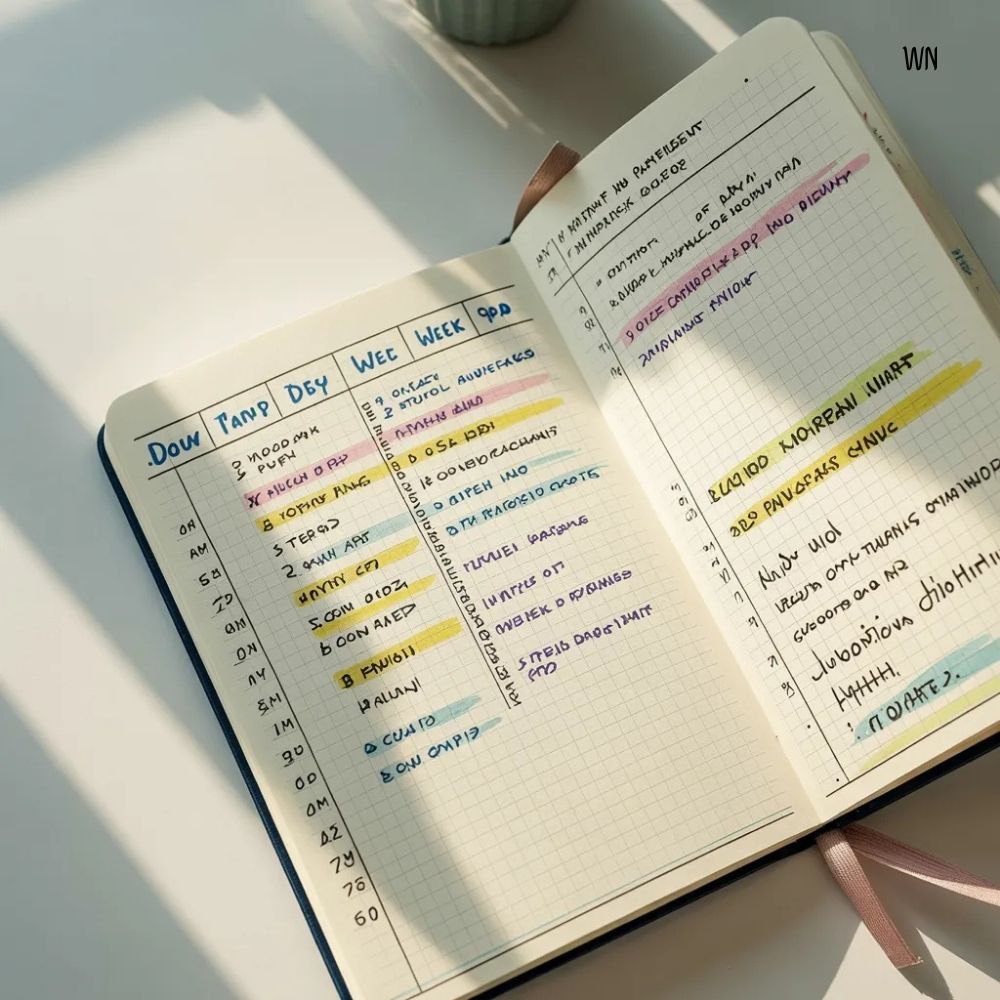
Tip 1: Stop Trying to Remember Everything
One of the biggest causes of time overwhelm is mental overload. Holding tasks, reminders, and plans in your head takes constant energy and creates background stress.
How to apply this practically:
Choose one trusted place to store tasks. This could be a notebook, a notes app, or a simple daily list. The format matters less than consistency. When something needs to be done, write it down immediately instead of trying to remember it later.
This habit frees mental space and reduces the feeling that you might be forgetting something important. Many people feel calmer almost immediately when tasks live outside their head.
Tip 2: Decide What Actually Matters Today
Not every task deserves the same level of attention. When everything is treated as urgent, overwhelm grows quickly.
How to apply this practically:
At the start of the day, choose one to three tasks that truly matter. These are the tasks that would make the day feel successful if completed. Everything else becomes optional or secondary.
This does not mean ignoring other responsibilities. It simply gives your day direction. When time or energy runs out, you still know you focused on what mattered most.
Tip 3: Break Tasks Down Until They Feel Easy to Start
Large tasks often feel overwhelming because they are too vague or too big. When a task feels heavy, starting becomes the hardest part.
How to apply this practically:
Break tasks into small, clear actions. Instead of writing “organize kitchen,” write “clear one counter” or “sort one drawer.” Instead of “work on project,” write “open document and review notes.”
Small steps reduce resistance and make progress feel possible. Starting becomes easier when the next step is clear and manageable.

Tip 4: Give Yourself Time Buffers Between Tasks
Packing tasks back-to-back leaves no room for delays, rest, or transition. This creates stress even on days when things go mostly as planned.
How to apply this practically:
Add small buffers between tasks when possible. Even five or ten minutes helps. This buffer can be used to breathe, reset, stretch, or simply transition mentally.
Time buffers protect your energy and prevent one delayed task from affecting the rest of the day. They make schedules feel kinder and more realistic.
Tip 5: Group Similar Tasks Together
Switching between very different tasks drains focus and increases fatigue. Constant task switching makes time feel fragmented and exhausting.
How to apply this practically:
Group similar tasks when you can. Answer messages in one block. Run errands in one outing. Do household tasks together instead of scattering them throughout the day.
Task grouping reduces mental switching and helps you move through tasks more smoothly. Many people find they get more done with less effort this way.
Tip 6: Limit How Much You Plan Each Day
Overplanning often leads to disappointment and self-criticism when everything does not get done. A packed to-do list can feel discouraging before the day even starts.
How to apply this practically:
Plan fewer tasks than you think you can handle. Leave space for interruptions, slower moments, and rest. If you finish early, that becomes a gift instead of an expectation. A lighter plan often leads to more satisfaction and consistency over time.
Tip 7: Decide in Advance When You Will Stop Working
Without a clear stopping point, work and responsibilities expand to fill all available time. This blurs boundaries and increases burnout.
How to apply this practically:
Choose a general end time for work or tasks when possible. This does not need to be exact, but having a stopping point helps you work more intentionally and rest more fully. Knowing there is an end makes it easier to focus during the time you are working.
Tip 8: Let “Good Enough” Be Enough
Perfectionism quietly steals time and energy. Trying to do everything perfectly often leads to delays, stress, and unfinished tasks.
How to apply this practically:
Aim for completion, not perfection. When a task is done well enough, allow yourself to move on. Save extra effort for things that truly matter. Letting go of perfection frees time and reduces mental strain.
Tip 9: Review Your Day Gently Instead of Critically
Many people end the day focusing on what did not get done. This reinforces overwhelm and discouragement.
How to apply this practically:
At the end of the day, notice what you did accomplish, even if it feels small. Acknowledging effort builds confidence and makes future planning feel less heavy. Gentle reflection helps you adjust without self-judgment.
How These Tips Work Together
Each tip reduces overwhelm in a different way. Writing tasks down reduces mental load. Clear priorities give direction.
Small steps make starting easier. Buffers protect energy. Grouping tasks improves focus. Lighter planning prevents burnout. Boundaries protect rest. Calm moments restore balance. “Good enough” saves time. Gentle reflection builds confidence.
You do not need to use all of these tips. Choosing two or three that fit your life is often enough to notice a shift. Over time, these habits work together to make time feel more supportive instead of stressful.
Common Mistakes That Increase Time Overwhelm
A common mistake is trying to copy someone else’s system without adapting it to real life. Another is believing that being busy means being productive. Overwhelm often comes from misaligned expectations rather than lack of effort.
It is also easy to forget that energy, not just time, matters. Managing time gently means respecting both.
The best time habits are the ones that feel kind and repeatable. If a system adds pressure, adjusting it is not failure. It is awareness.
Progress comes from consistency, not intensity. Small improvements practiced daily matter far more than perfect plans followed briefly.
A Calm Takeaway
Managing time does not have to feel overwhelming. Simple habits like writing things down, choosing priorities, breaking tasks into small steps, allowing buffers, grouping tasks, planning lightly, protecting rest, and letting good enough be enough can make a meaningful difference.
You are not behind, and you do not need to do everything. With a few gentle changes, time can start to feel more manageable, flexible, and supportive, one day at a time.