Gentle Tips for Reducing Dust in Your Home Naturally
Dust has a way of returning no matter how often we clean. You wipe a surface, turn around, and somehow it already looks dusty again. This can feel frustrating, especially when you are trying to keep your home comfortable and healthy. If dust seems constant in your space, it does not mean you are doing…
Dust has a way of returning no matter how often we clean. You wipe a surface, turn around, and somehow it already looks dusty again. This can feel frustrating, especially when you are trying to keep your home comfortable and healthy.
If dust seems constant in your space, it does not mean you are doing something wrong. Dust is a normal part of living indoors, and most homes deal with it quietly every day.
The encouraging news is that reducing dust does not require harsh chemicals, expensive gadgets, or daily deep cleaning. Small, thoughtful changes can noticeably reduce how much dust settles in your home and how often it comes back. These gentle tips focus on prevention and simple habits that work naturally with everyday life.
Why Dust Builds Up So Easily
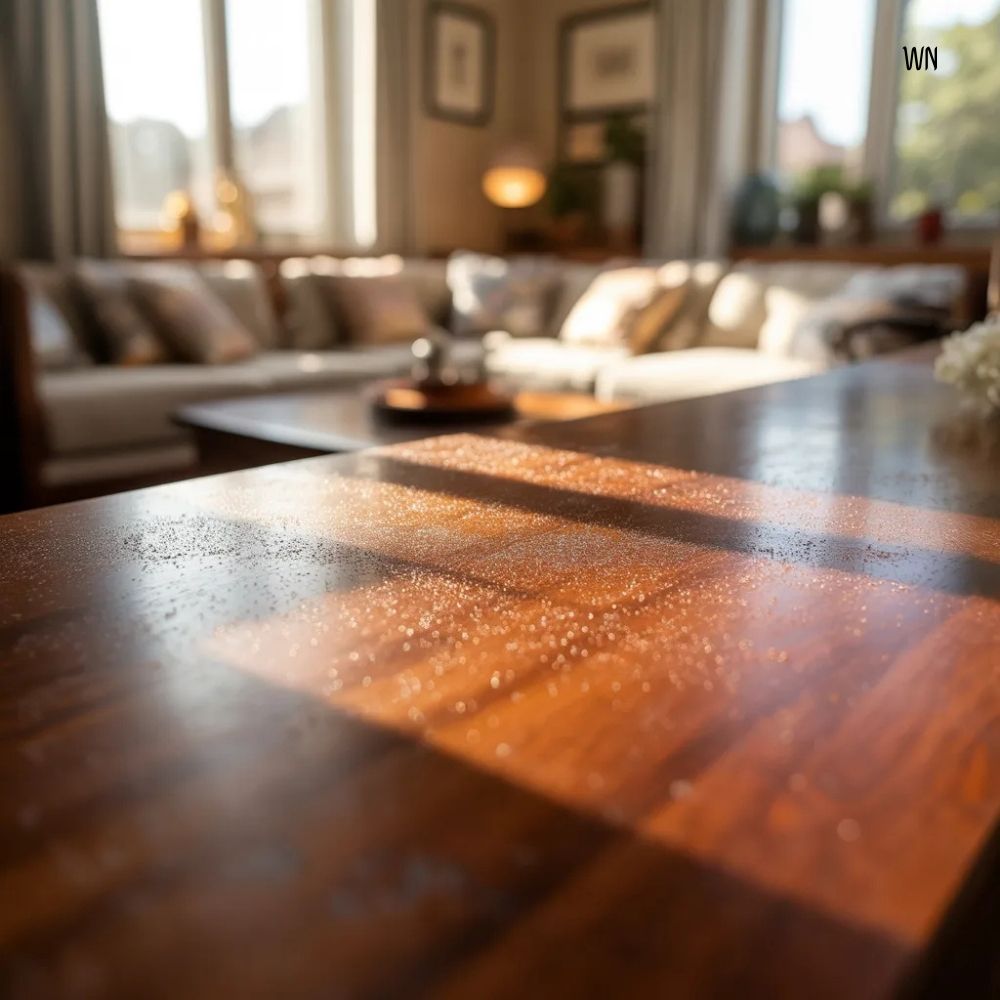
Dust is made up of tiny particles that come from many sources. Fabric fibers, skin cells, pet hair, outdoor debris, and even paper all contribute. Every time we walk, sit, open a door, or move air around, these particles shift and settle on surfaces.
Dust tends to build up faster in homes with lots of soft furnishings, poor airflow, or cluttered surfaces. Closed windows, dry indoor air, and frequently worn shoes also play a role. Understanding this helps reduce frustration because it shows that dust is not a cleaning failure. It is simply something that benefits from gentle management rather than constant removal.
Tip 1: Improve Airflow for a Few Minutes Each Day
One of the most natural ways to reduce dust is to improve airflow. When air becomes stagnant, dust settles more quickly and stays trapped indoors.
How to apply this practically:
Open windows for five to ten minutes a day when weather allows. Creating a brief cross-breeze helps push dusty air out and bring fresh air in. You do not need to leave windows open all day. Even short periods help reduce how much dust lingers.
If opening windows is not always possible, gently circulating air with fans can help prevent dust from settling too heavily in one area. Fresh airflow supports a lighter feeling home and reduces that constant dusty layer over time.
Tip 2: Dust With a Slightly Damp Cloth Instead of Dry Tools
Dry dusting tools often push dust into the air, where it simply resettles elsewhere. This can make cleaning feel pointless because dust seems to return quickly.
How to apply this practically:
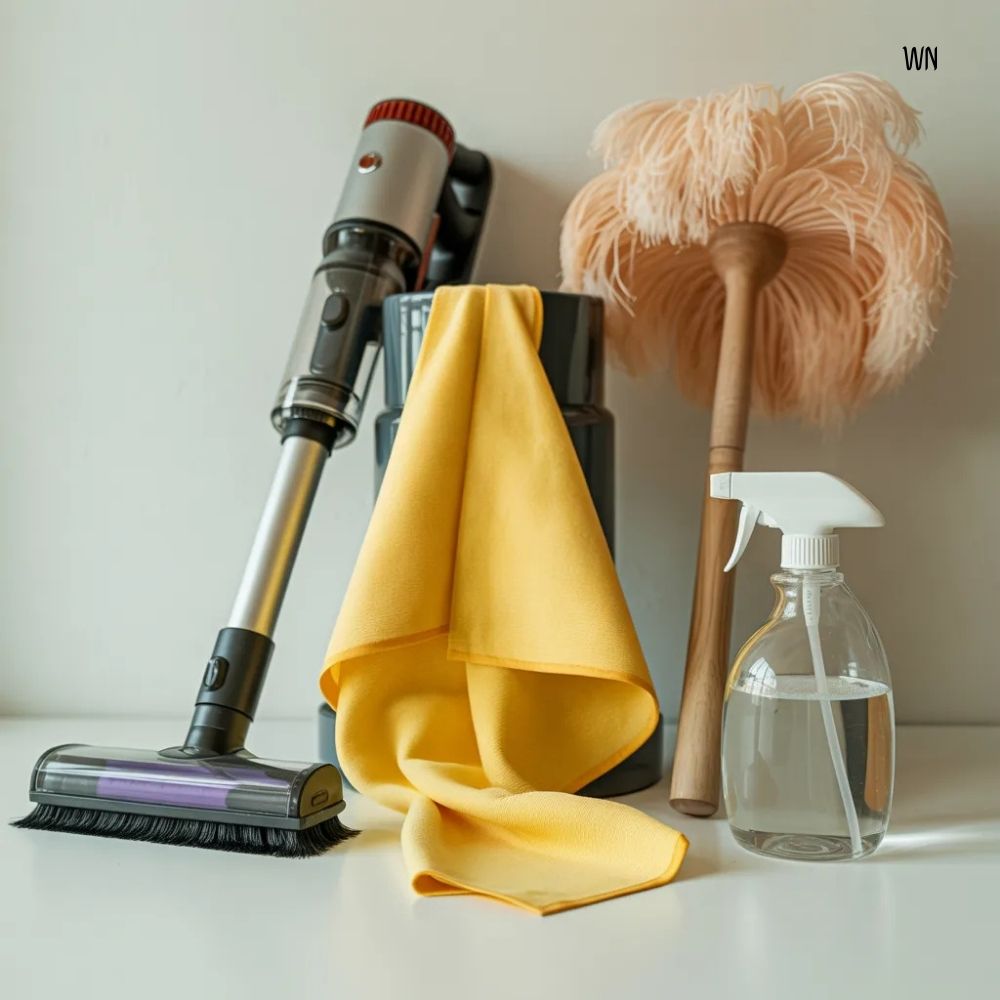
Use a slightly damp microfiber cloth when dusting surfaces. The moisture helps trap dust instead of spreading it. You do not need water dripping from the cloth. Light dampness is enough.
This approach works well for shelves, tables, baseboards, and window sills. It removes dust more effectively and reduces how much becomes airborne, which helps keep surfaces cleaner longer.
Tip 3: Reduce Dust by Managing Soft Surfaces Gently
Soft furnishings quietly hold onto dust. Rugs, curtains, cushions, and upholstered furniture collect particles that are released back into the air with movement.
How to apply this practically:
Vacuum rugs and soft furniture regularly using a slow, steady motion. Shaking cushions outside when possible also helps release trapped dust. For curtains and throws, occasional airing near an open window can reduce dust buildup naturally.
You do not need to clean everything constantly. Rotating attention between soft items keeps dust from accumulating too heavily in one place and makes the whole room feel cleaner.
Tip 4: Wash Fabrics That Collect Dust More Often Than You Think
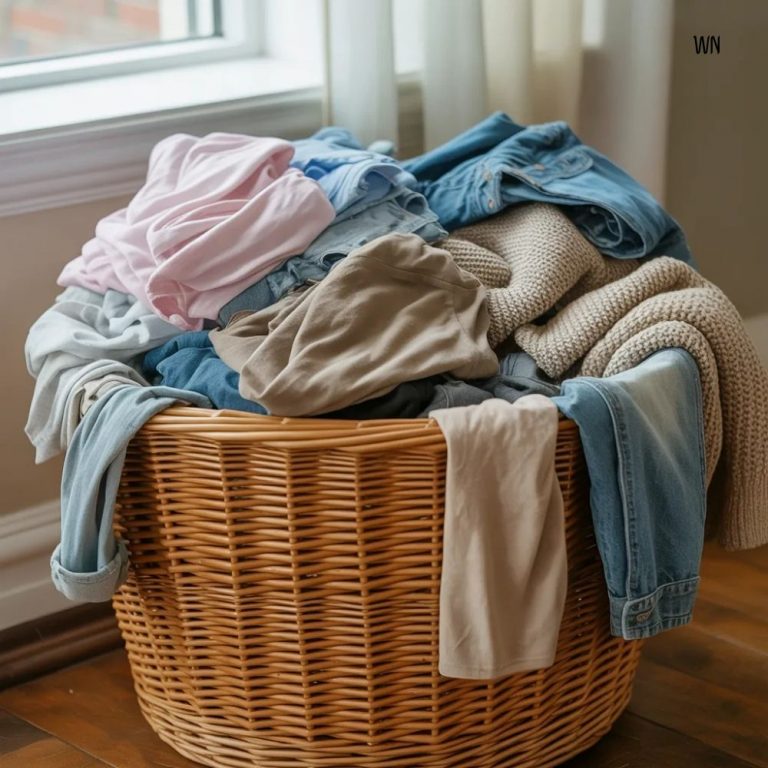
Certain fabrics collect dust more quickly than others. Bedding, pillow covers, throws, and decorative cushions quietly attract particles even when they look clean.
How to apply this practically:
Wash pillowcases, sheets, and lightweight blankets regularly using gentle detergents. This removes dust at the source and improves air quality in rooms where you rest and sleep.
If washing everything weekly feels overwhelming, focus on the items closest to your face and body first. This small habit supports both comfort and cleanliness without adding pressure.
Tip 5: Reduce Clutter to Give Dust Fewer Places to Settle
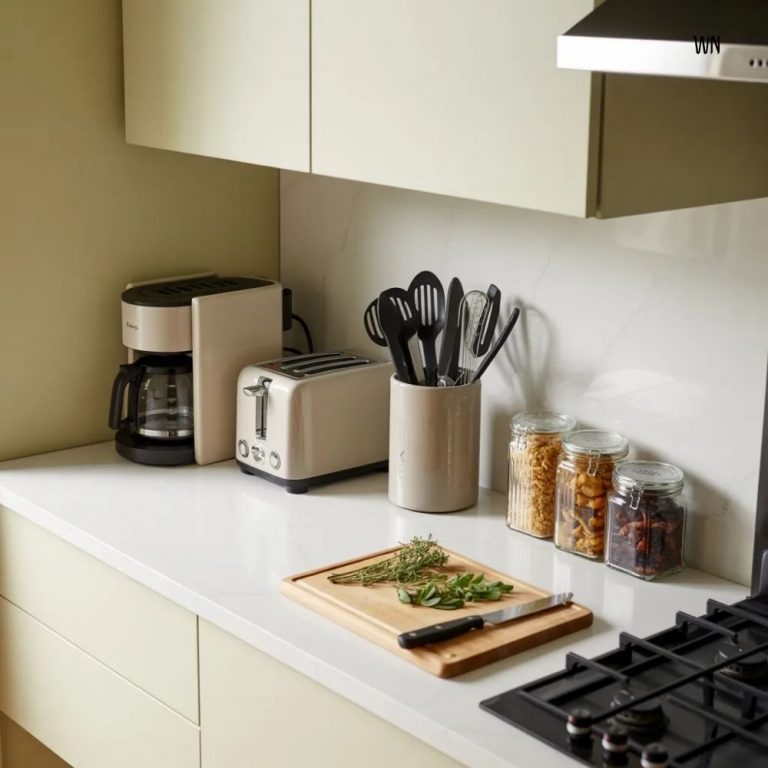
Dust loves cluttered surfaces. The more items left out, the more places dust has to land, making cleaning harder and less effective.
How to apply this practically:
Choose a few surfaces to keep slightly clearer, such as coffee tables, bedside tables, or shelves. You do not need to remove everything you enjoy. Simply grouping items on trays or storing unused objects reduces exposed surface area.
This makes dusting faster and helps rooms feel lighter and calmer. Less visual clutter often makes dust feel more manageable, even before cleaning begins.
Tip 6: Take Shoes Off at the Door When Possible
A large amount of dust enters the home through shoes. Outdoor debris, pollen, and fine particles get tracked inside and spread across floors and rugs.
How to apply this practically:
Creating a habit of removing shoes near the entryway can significantly reduce dust buildup. Even switching to indoor slippers helps limit what gets carried through the home.
If a full no-shoes rule feels unrealistic, focusing on high-traffic days or wet weather still helps. Small boundaries at the door reduce dust before it spreads.
Tip 7: Vacuum Floors Slowly and Regularly
Quick vacuuming often misses fine dust particles, especially on rugs and carpets. Slow, steady passes allow the vacuum to lift more debris instead of just brushing over the surface.
How to apply this practically:
Vacuum floors at a relaxed pace, especially in areas where people walk often. Focusing on entryways, living rooms, and bedrooms helps control dust where it builds fastest.
Using vacuum attachments on baseboards and corners occasionally also helps remove dust that tends to accumulate unnoticed.
Tip 8: Add a Bit of Moisture to Dry Indoor Air
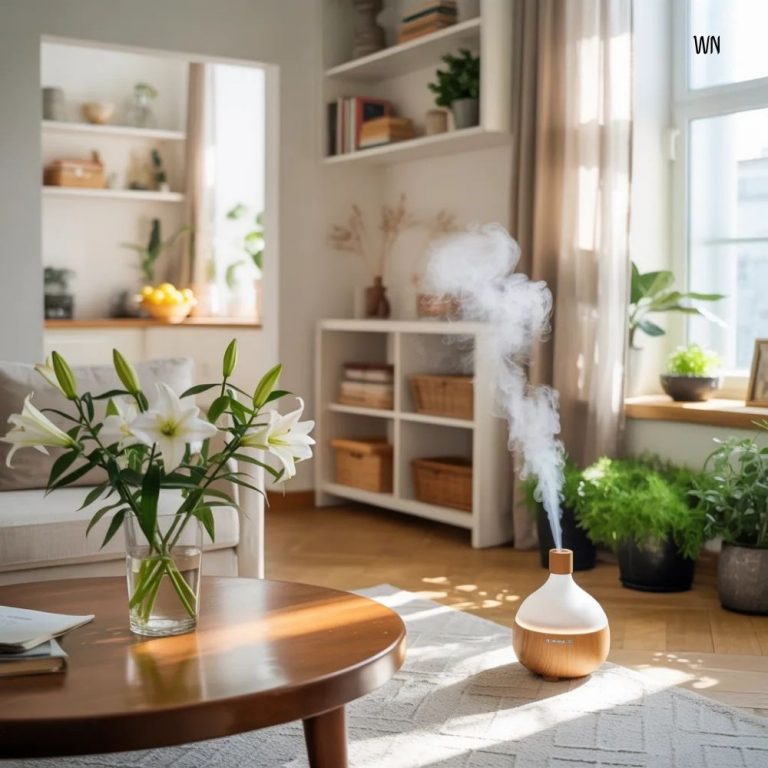
Very dry air allows dust to float and resettle easily. Adding gentle moisture to indoor air can help dust settle less aggressively.
How to apply this practically:
If your home feels very dry, especially in colder months, adding moisture through natural methods can help. This can include placing bowls of water near heat sources or using gentle humidity sources when appropriate. Balanced air feels more comfortable and often helps reduce irritation from dust as well.
How These Tips Work Together
Each tip focuses on preventing dust rather than constantly chasing it. Airflow reduces trapped particles. Damp dusting captures dust instead of spreading it.
Fabric care removes hidden buildup. Reduced clutter limits landing spots. Shoe habits block dust at the source. Thoughtful vacuuming lifts particles more effectively.
You do not need to apply all of these tips at once. Choosing a few that fit your lifestyle is often enough to see improvement. Over time, these small habits work together to make dust feel far less overwhelming.
A Calm Takeaway
Reducing dust naturally is about working with your home, not fighting it. Simple habits like improving airflow, using damp dusting, caring for fabrics, reducing clutter, and preventing dust from entering help create a cleaner, lighter environment.
You do not need harsh products or constant effort. Small, thoughtful changes can make your home feel fresher and more comfortable every day. Even one gentle habit can make a noticeable difference over time.