Easy Organization Ideas That Don’t Require Buying Anything
Organization often gets associated with buying storage bins, baskets, or new furniture. While those things can be helpful, they are not required to create a calmer, more functional space. In fact, many homes become more cluttered because items are added faster than habits change. The truth is that organization works best when it starts with…
Organization often gets associated with buying storage bins, baskets, or new furniture. While those things can be helpful, they are not required to create a calmer, more functional space. In fact, many homes become more cluttered because items are added faster than habits change.
The truth is that organization works best when it starts with simple shifts in how space is used, not with shopping. Small, thoughtful changes using what you already own can make daily life feel easier and more manageable. These ideas focus on reducing visual noise, improving flow, and making your home work better without spending money.
You do not need to organize everything at once. Even one small area, improved gently, can change how your whole home feels.
Why Simple Organization Works Better Than Big Overhauls
Large organizing projects often feel overwhelming and hard to maintain. They require time, energy, and motivation that most people do not have on a daily basis. Simple systems, on the other hand, fit into real life.
When organization is easy to maintain, it actually lasts. Using familiar items and natural habits reduces friction and makes it easier to stay consistent. The goal is not perfection or minimalism. It is creating spaces that support daily living with less stress.
Tip 1: Use “Containers You Already Own” as DIY Organizers
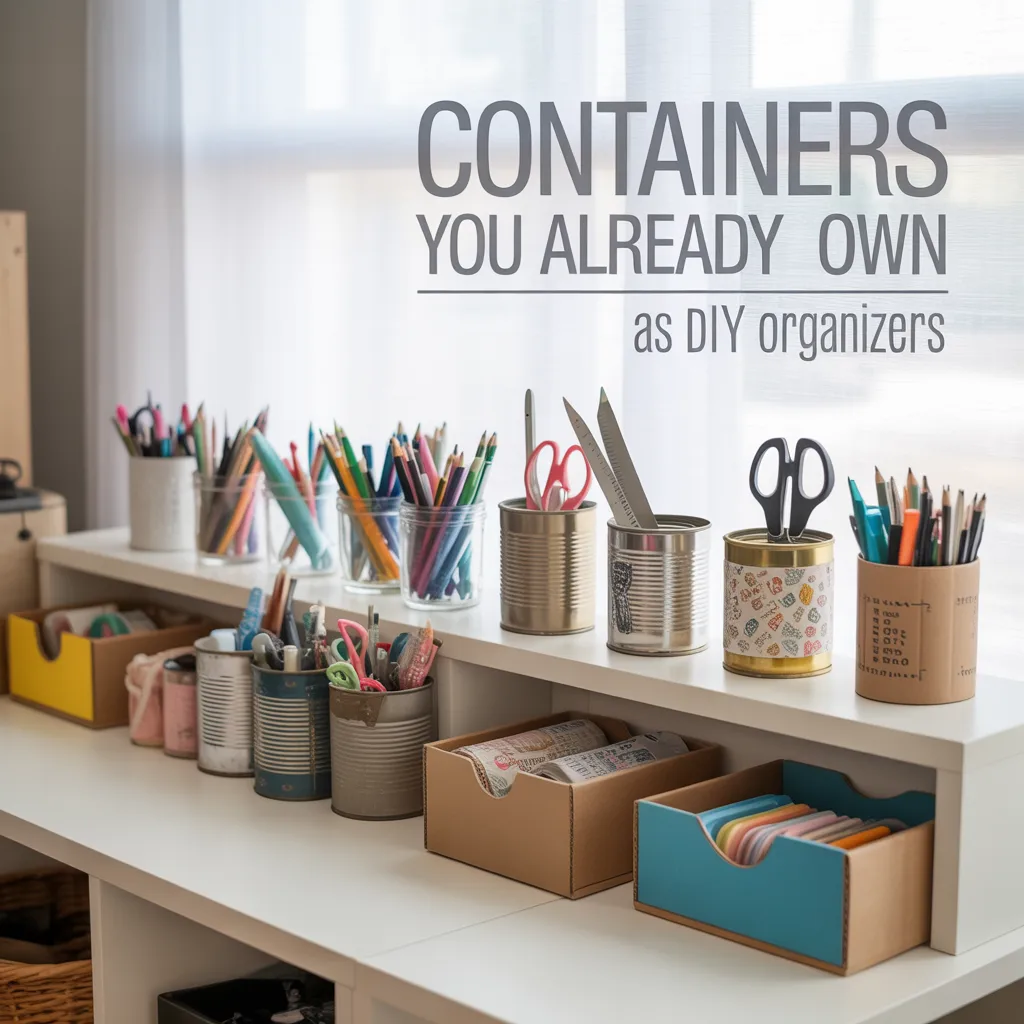
Many homes already contain useful containers that are not being used intentionally. Boxes, jars, bowls, mugs, and even trays can be repurposed to create instant organization.
How to apply this DIY idea:
Look around your home for sturdy containers you already have. Shoeboxes can hold papers, cords, or small tools. Glass jars can store pens, kitchen utensils, or bathroom items. Bowls and mugs work well for keys, coins, or everyday essentials.
Placing similar items together in one container creates visual order and makes items easier to find. This works especially well in drawers, cabinets, and on open shelves.
This approach reduces clutter without adding new objects. It also allows you to adjust easily as your needs change.
Tip 2: Create Simple Zones Instead of Perfect Systems
Organization does not require labels or strict rules. Often, clutter builds because items do not have a clear “home.” Creating simple zones helps items naturally return to the same place.
How to apply this DIY idea:
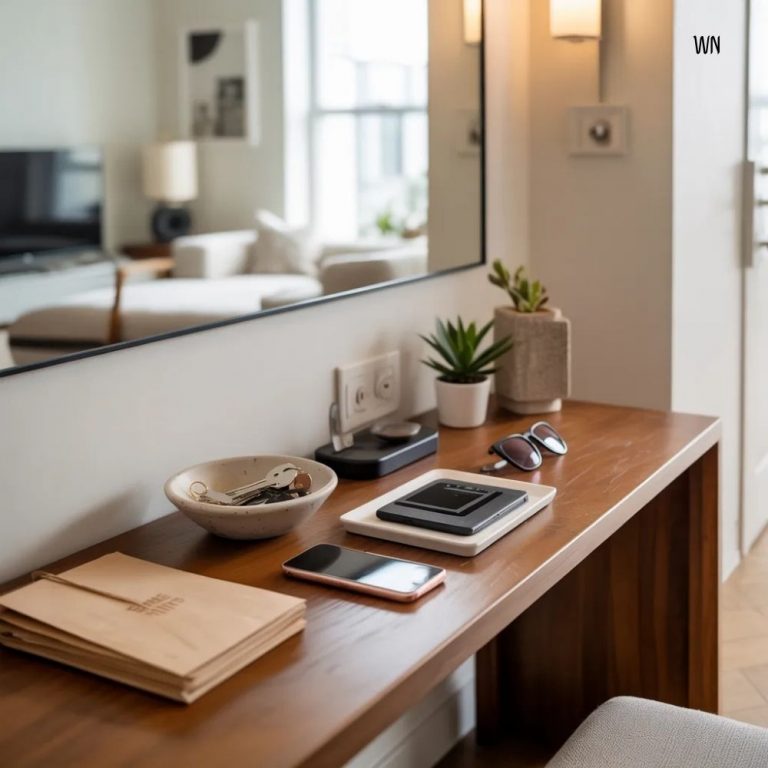
Choose one area, such as a countertop, shelf, or drawer, and decide what type of items belong there. For example, a kitchen counter zone for daily-use items, an entryway zone for items you grab before leaving, or a desk zone for work essentials.
Use boundaries you already have, such as trays, shelves, or drawer dividers that came with furniture. Even visual boundaries, like grouping items together, help define space.
When zones are clear, tidying becomes faster and less mentally draining because decisions are already made.
Tip 3: Reduce What Lives on Flat Surfaces
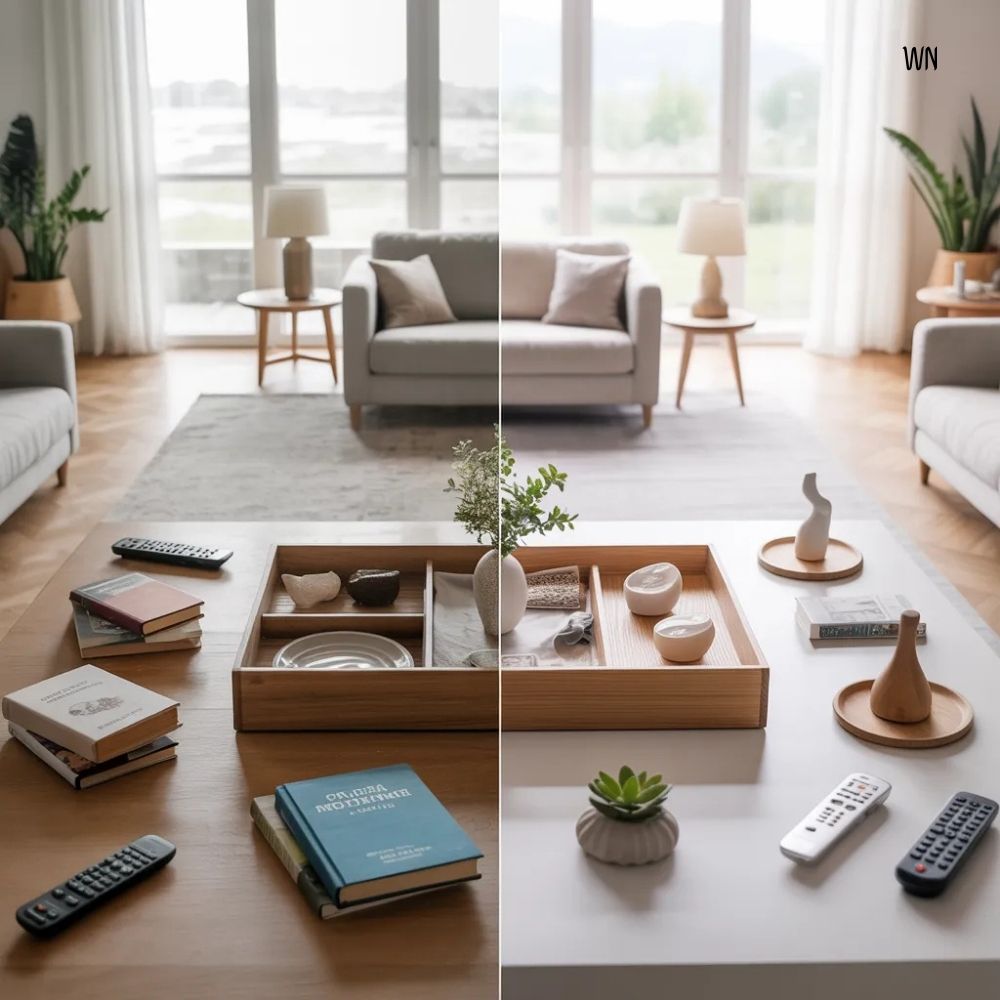
Flat surfaces attract clutter quickly. Tables, counters, and shelves often become drop zones for items that do not have a clear place. Reducing what lives on these surfaces instantly makes a space feel more organized.
How to apply this DIY idea:
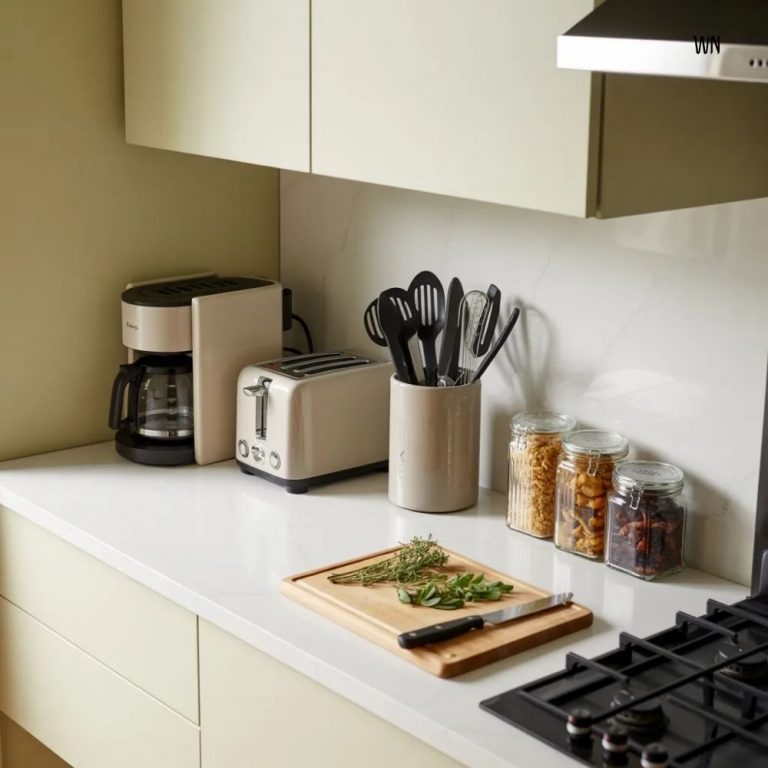
Choose one flat surface and remove everything from it. Then put back only the items you truly use there daily. Everything else can be relocated to a drawer, cabinet, or nearby storage space.
If items need to stay visible, grouping them together instead of spreading them out helps reduce visual noise. This simple reset makes rooms feel calmer without moving a lot of things. This habit works especially well in kitchens, bedrooms, and entryways.
Tip 4: Organize by Daily Habits, Not by Category
Many organizing systems fail because they are built around categories rather than real-life use. When items are stored far from where they are used, clutter returns quickly.
How to apply this DIY idea:
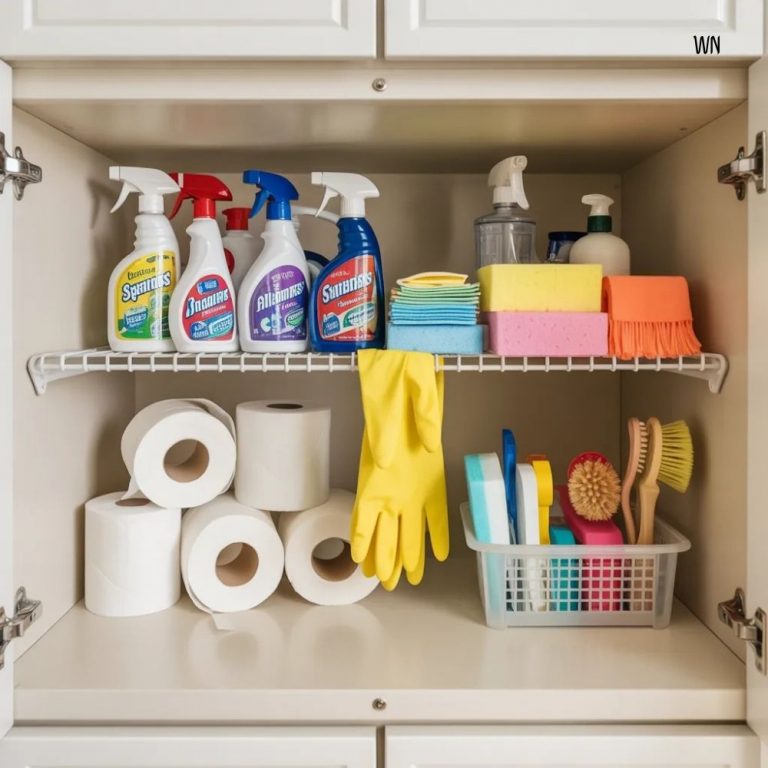
Think about your daily routines and place items where you actually use them. For example, keep chargers near where devices are used, cleaning supplies near where cleaning happens, or mail supplies near the entryway.
This might mean moving items away from traditional storage spots. That is okay. Organization works best when it supports your habits, not when it follows rules. When storage matches daily behavior, tidying becomes almost automatic.
How These Ideas Work Together
These ideas focus on working with your home instead of forcing it into a new system. Using existing containers reduces clutter. Zones create clarity. Clear surfaces reduce visual overwhelm. Habit-based storage supports daily routines.
You do not need to implement everything at once. Starting with one drawer, one shelf, or one surface is enough to feel a difference. Over time, these small changes add up and make organization feel natural rather than forced.
The most effective organization is the kind you do not have to think about constantly. Simple systems, built around daily life, are easier to maintain and less stressful.
If something stops working, adjusting it is a sign of awareness, not failure. Organization is meant to support you, not control you.
A Calm Takeaway
You do not need to buy anything to feel more organized. Using containers you already own, creating simple zones, clearing flat surfaces, and storing items based on daily habits can transform your space gently and effectively.
Small changes matter. Even organizing one small area can make your home feel calmer, more functional, and easier to live in. Over time, these simple habits create a space that supports you, one step at a time.