Easy Kitchen Habits That Make Cooking Less Stressful
Cooking is meant to nourish you, not exhaust you. Yet for many people, the kitchen becomes a place of pressure, mess, and rushed decisions. You open the fridge, feel overwhelmed by options or clutter, and suddenly a simple meal feels like too much work. If cooking often feels stressful, it is not because you dislike…
Cooking is meant to nourish you, not exhaust you. Yet for many people, the kitchen becomes a place of pressure, mess, and rushed decisions. You open the fridge, feel overwhelmed by options or clutter, and suddenly a simple meal feels like too much work.
If cooking often feels stressful, it is not because you dislike food or lack skill. It is usually because small daily habits are quietly working against you.
The encouraging truth is that cooking becomes easier when the kitchen supports you instead of demanding constant effort. You do not need better recipes, fancy tools, or more discipline.
A few simple kitchen habits can reduce mental load, save time, and help meals feel calmer and more manageable. These habits are practical, realistic, and designed for real life.
Why Cooking Often Feels More Stressful Than It Needs to Be
Kitchen stress rarely comes from the act of cooking itself. It usually comes from decision fatigue, clutter, poor timing, and feeling unprepared. When ingredients are hard to find, surfaces are crowded, or you are already hungry before starting, stress builds quickly.
Cooking also becomes harder when it feels rushed or disconnected from daily routines. If every meal feels like starting from scratch, the mental effort alone can be draining. The habits below focus on reducing friction so cooking feels smoother and more natural.
Habit 1: Do a Small Kitchen Reset After Each Meal
A messy kitchen creates stress before cooking even begins. Walking into cluttered counters and a full sink makes the next meal feel heavier than it needs to be.
How to apply this habit practically:
After each meal, take five minutes to reset the kitchen. This does not mean deep cleaning. Simply clear the counters, rinse dishes, wipe one surface, and return a few items to their place.
This small reset keeps mess from piling up and makes the next cooking session feel approachable. Many people find they cook more willingly when they start with a calm, usable space.
Habit 2: Keep Everyday Tools Within Easy Reach
Cooking becomes stressful when you are constantly searching for tools. Opening multiple drawers or cabinets interrupts your flow and adds frustration.
How to apply this habit practically:
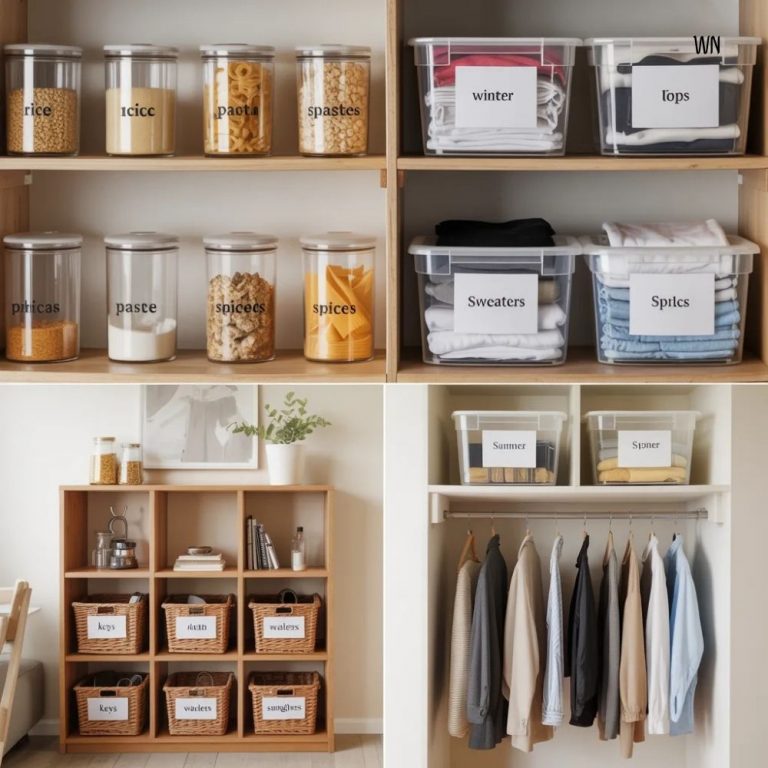
Store your most-used items where you naturally reach for them. This might include knives, cutting boards, spatulas, measuring cups, or mixing bowls. Items used daily should not be buried behind rarely used gadgets.
You do not need perfect organization. Simply making everyday tools easy to grab reduces friction and helps cooking feel smoother and faster.
Habit 3: Prep One Small Thing Ahead of Time
Preparation does not need to be full meal prep to be helpful. Even one small step done ahead of time can significantly reduce stress later.
How to apply this habit practically:
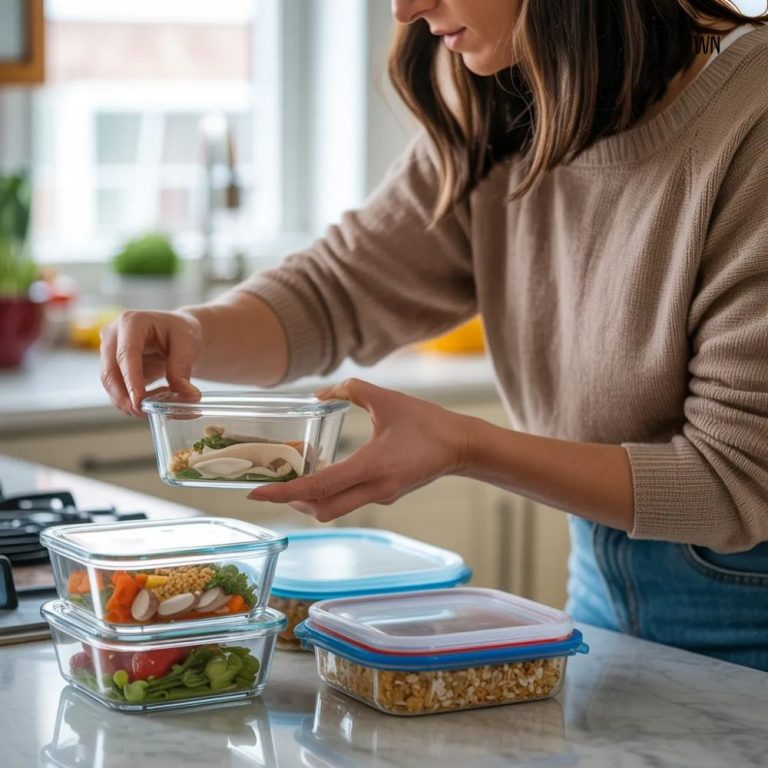
When you have a bit of energy, wash produce, chop one vegetable, or portion ingredients for the next meal. Even ten minutes makes a difference.
This habit reduces the number of steps required when you are tired or hungry. Cooking feels easier when part of the work is already done.
Habit 4: Decide on Meals Before You Are Hungry
Hunger makes decision-making harder. Choosing what to cook while already hungry increases stress and often leads to rushed or unsatisfying meals.
How to apply this habit practically:
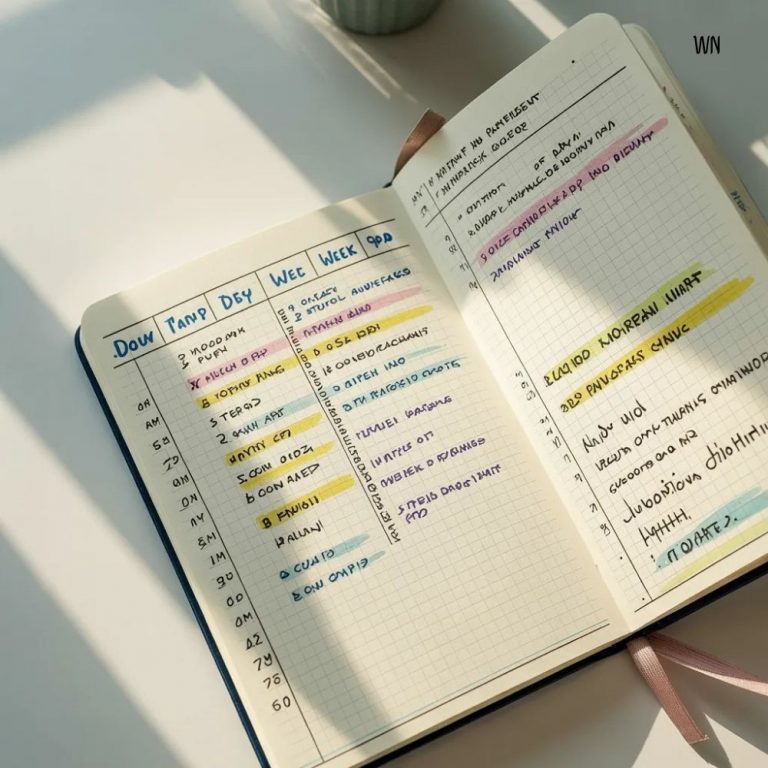
Decide what you will cook earlier in the day, even loosely. You do not need a strict meal plan. Simply knowing the general direction of your meal removes last-minute pressure. This habit allows you to cook more calmly and helps ingredients get used more efficiently.
Habit 5: Keep a Few Reliable Meals in Rotation
Stress often comes from feeling like every meal needs to be new or exciting. In reality, familiar meals reduce mental load and save energy.
How to apply this habit practically:
Choose a few simple meals you enjoy and can make without much thought. These become your go-to options on busy or low-energy days.
Having reliable meals reduces decision fatigue and creates a sense of ease around cooking. Variety can still exist, but familiarity provides comfort and stability.
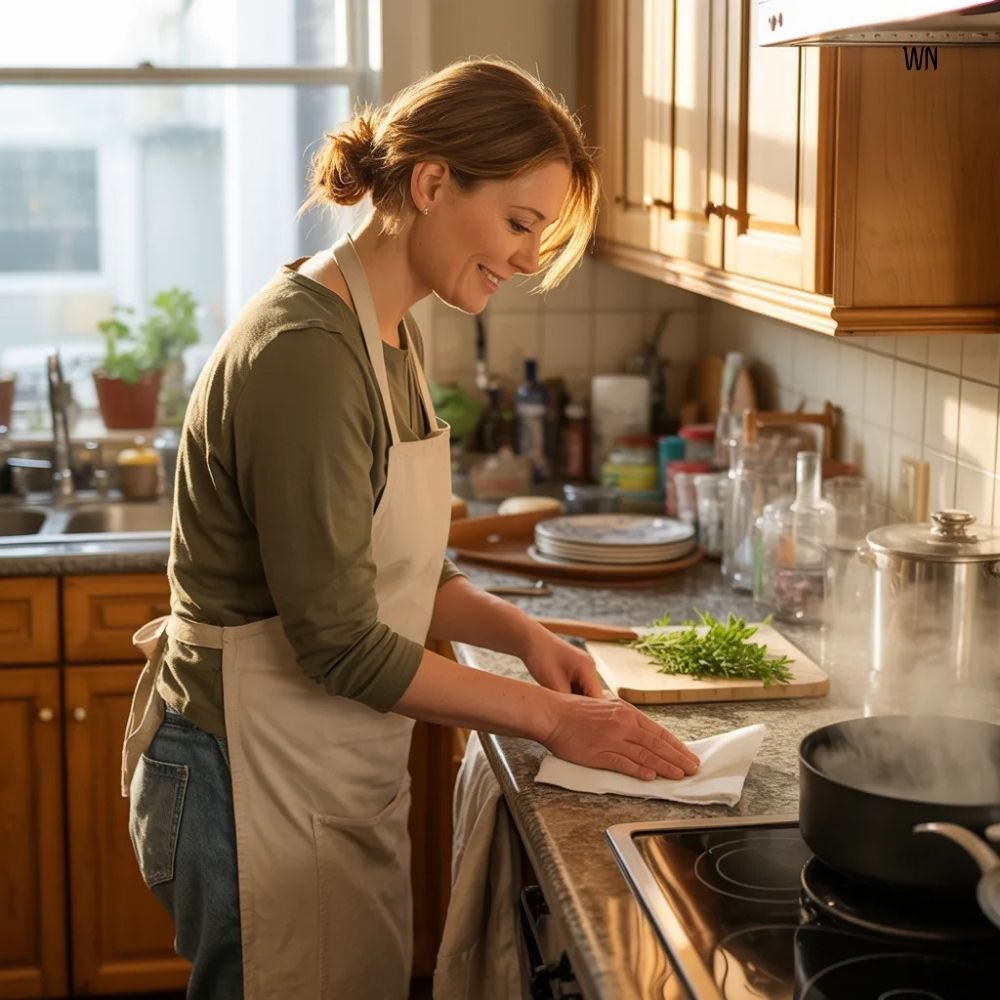
Habit 6: Start Cooking a Little Earlier Than You Think You Need To
Rushing is one of the biggest contributors to kitchen stress. Starting too late creates pressure, mistakes, and frustration.
How to apply this habit practically:
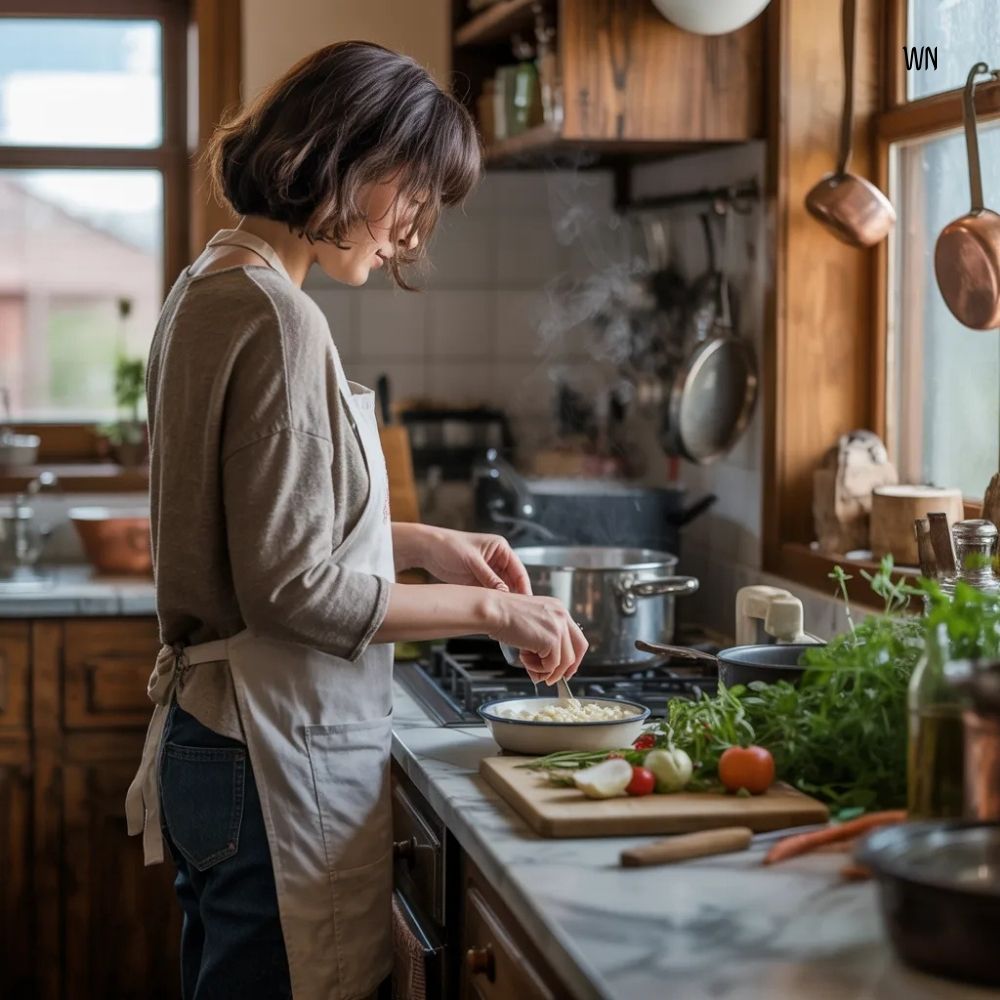
Begin cooking slightly earlier than necessary, even by ten minutes. This small buffer allows room for interruptions, slower steps, or adjustments.
Cooking at a relaxed pace improves focus and enjoyment. Meals tend to turn out better when you are not watching the clock closely.
Habit 7: Clean As You Go in Small Moments
Leaving all cleanup for the end can make cooking feel overwhelming. A large pile of dishes waiting afterward adds mental stress during the meal.
How to apply this habit practically:
While something cooks, wash a cutting board, rinse a bowl, or wipe a surface. These small moments of cleaning prevent mess from building up.
This habit makes the end of cooking feel lighter and allows you to enjoy your meal without thinking about a big cleanup afterward.
Habit 8: Keep Your Counters Slightly Clear
Crowded counters make cooking feel chaotic. Too many items compete for space and attention.
How to apply this habit practically:
Choose to keep counters mostly clear, leaving out only what you use daily. Appliances or items used occasionally can be stored away.
Clear space makes cooking feel more organized and gives your mind room to focus. Even a small amount of open space reduces stress significantly.
How These Habits Work Together
Each habit reduces stress from a different angle. Kitchen resets prevent buildup. Easy access saves time. Light prep reduces effort.
Early decisions remove pressure. Familiar meals lower mental load. Time buffers prevent rushing. Small cleanups keep mess manageable. Clear counters support focus. Gentle expectations protect enjoyment.
You do not need to adopt every habit at once. Choosing two or three that fit your life is often enough to feel a difference. Over time, these habits naturally support one another and make cooking feel calmer.
The goal is not to love cooking every day. The goal is to make it feel manageable and supportive. Habits that reduce stress work best when they are gentle and flexible. If a habit stops working, adjusting it is completely fine. Your kitchen should evolve with your life.
A Calm Takeaway
Cooking becomes less stressful when your kitchen works with you instead of against you. Small habits like resetting the space, keeping tools accessible, prepping lightly, deciding early, relying on familiar meals, and giving yourself time can transform how cooking feels.
You do not need to cook perfectly or enthusiastically every day. Even a few thoughtful changes can make meals calmer, easier, and more enjoyable. Small habits matter, and they add up quietly over time.