Why Having Plants at Home Is a Must and What Plants to Get
Plants are often treated as decoration, something nice to have if you enjoy gardening or interior design. In reality, plants play a much more practical role in how a home feels and functions day to day. Homes without plants tend to feel flatter, harsher, and harder to settle into, even when they are clean and…
Plants are often treated as decoration, something nice to have if you enjoy gardening or interior design. In reality, plants play a much more practical role in how a home feels and functions day to day. Homes without plants tend to feel flatter, harsher, and harder to settle into, even when they are clean and well-organized.
Homes with plants tend to feel calmer, more alive, and easier to be in, even when everything is not perfect. This difference is not accidental. It comes from how plants interact with light, air, attention, and daily routines.
Having plants at home is not about style or trends. It is about improving the quality of the space you live in with very little effort. When chosen correctly, plants support comfort, reduce visual stress, soften hard surfaces, and create a sense of care in a home without adding work.
The key is knowing why plants matter and choosing plants that fit real life instead of becoming another responsibility.
Why Plants Make a Home Feel Better Almost Immediately
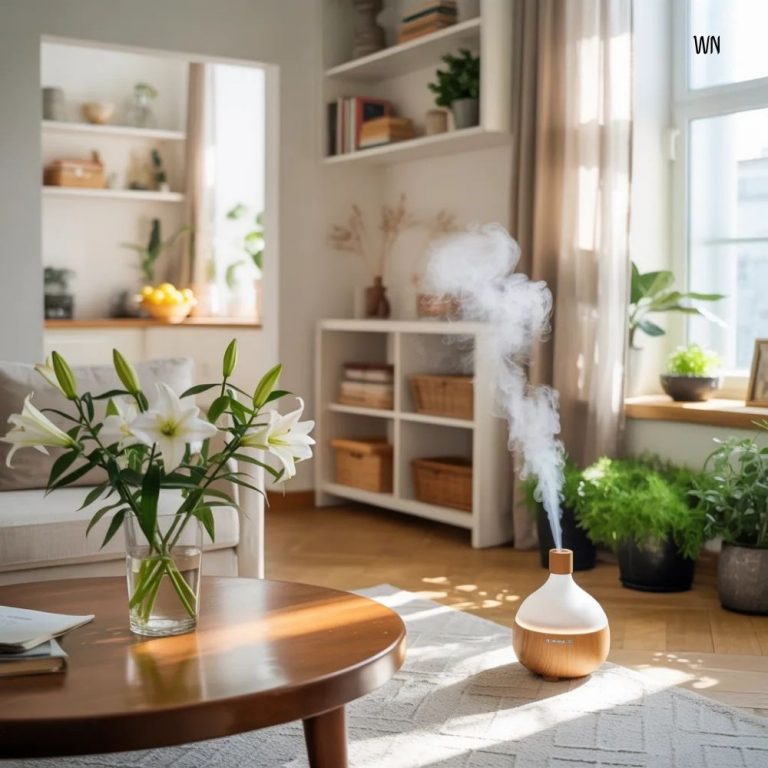
One of the most noticeable effects of plants is how they change the atmosphere of a room without changing its layout. Hard edges, straight lines, and artificial materials dominate most indoor spaces. Plants introduce organic shapes that soften those elements visually.
Plants also interact with light in a way few other objects do. They absorb harsh light, reflect softer tones, and reduce glare from windows and artificial lighting.
Even one medium-sized plant can change how bright or calm a room feels depending on placement. This is especially noticeable in kitchens, living rooms, and work areas where light can feel sharp or tiring.
Another reason plants improve how a home feels is that they signal care and maintenance without perfection. A home with plants feels lived-in and supported rather than staged. This creates psychological comfort. You do not need everything to be spotless for the space to feel good when plants are present.
How Plants Support Daily Well-Being Without Extra Effort
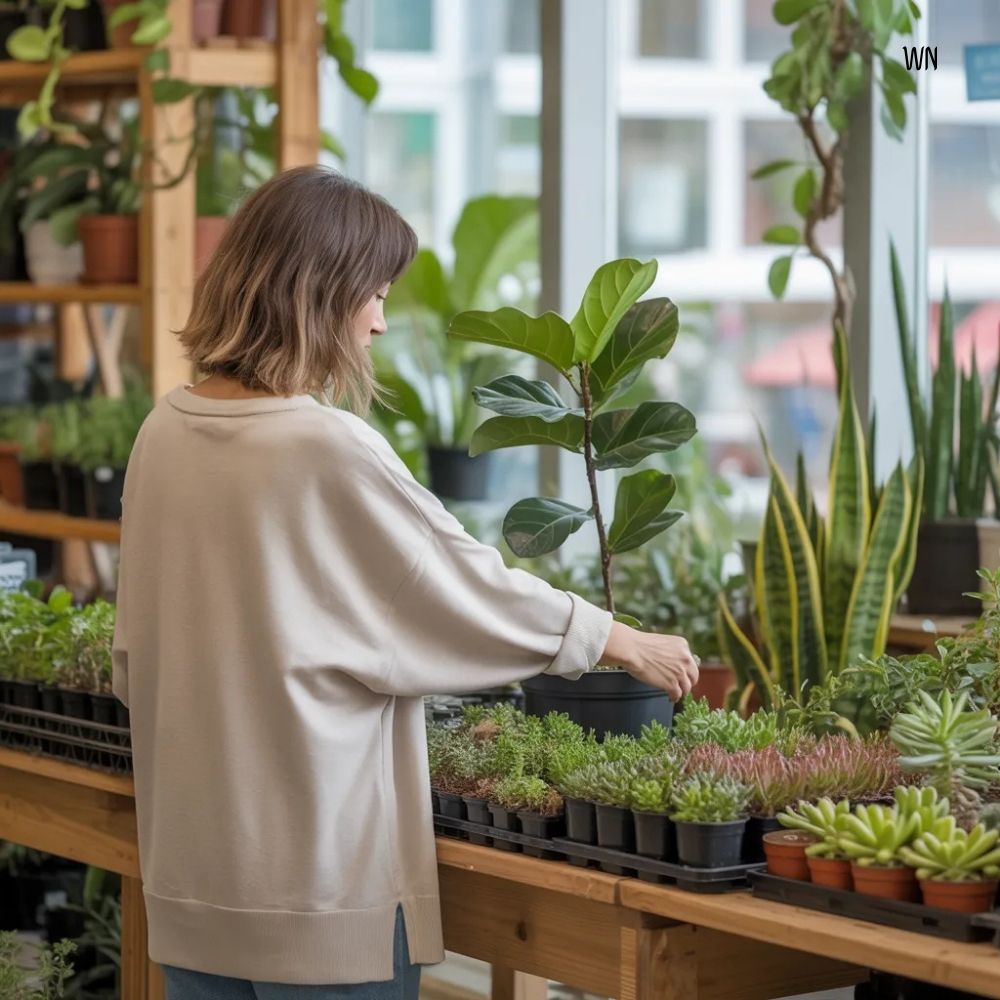
Plants contribute to daily well-being in subtle but meaningful ways. Seeing greenery throughout the day gives the brain visual breaks from screens, walls, and clutter. These small pauses help reduce mental fatigue, especially for people who work from home or spend long hours indoors.
Plants also encourage slower, more intentional movement. You naturally adjust how you walk, place items, or open windows when plants are nearby. This gentle awareness can make a home feel calmer without any conscious effort.
Caring for plants, even minimally, adds a quiet rhythm to the week. Watering, checking leaves, or rotating a pot becomes a low-pressure form of maintenance that feels grounding rather than demanding. Unlike chores with deadlines, plant care is flexible and forgiving, which makes it easier to sustain.
Why Plants Improve the Feeling of Air and Space
While plants are often associated with air quality, their biggest benefit for most homes is perceptual rather than technical. Plants make air feel fresher because they introduce moisture and movement into static indoor environments. Leaves release moisture slowly, which can reduce the dry feeling common in heated or air-conditioned spaces.
Plants also break up empty vertical space. Bare corners, unused shelves, and awkward gaps between furniture feel intentional when a plant is placed there. This reduces the sense of wasted space and makes rooms feel more complete without adding clutter.
Importantly, plants do this quietly. They do not beep, demand attention, or interrupt routines. They simply exist and improve the space around them.
What Makes a Plant Worth Having at Home
Not every plant is worth bringing into your home. The best houseplants share three qualities: they tolerate inconsistency, they show signs of stress clearly, and they recover well. Plants that require precise watering, constant light adjustment, or specialized care tend to create stress rather than comfort.
A good houseplant fits into your existing routine instead of requiring a new one. It should survive missed waterings, adapt to different light levels, and grow at a manageable pace. When a plant works with you instead of against you, it becomes a benefit rather than a burden.
The Best Low-Effort Plants for Most Homes
Some plants are especially well-suited for everyday living because they are resilient and adaptable. These plants are ideal if you want the benefits of greenery without ongoing effort.
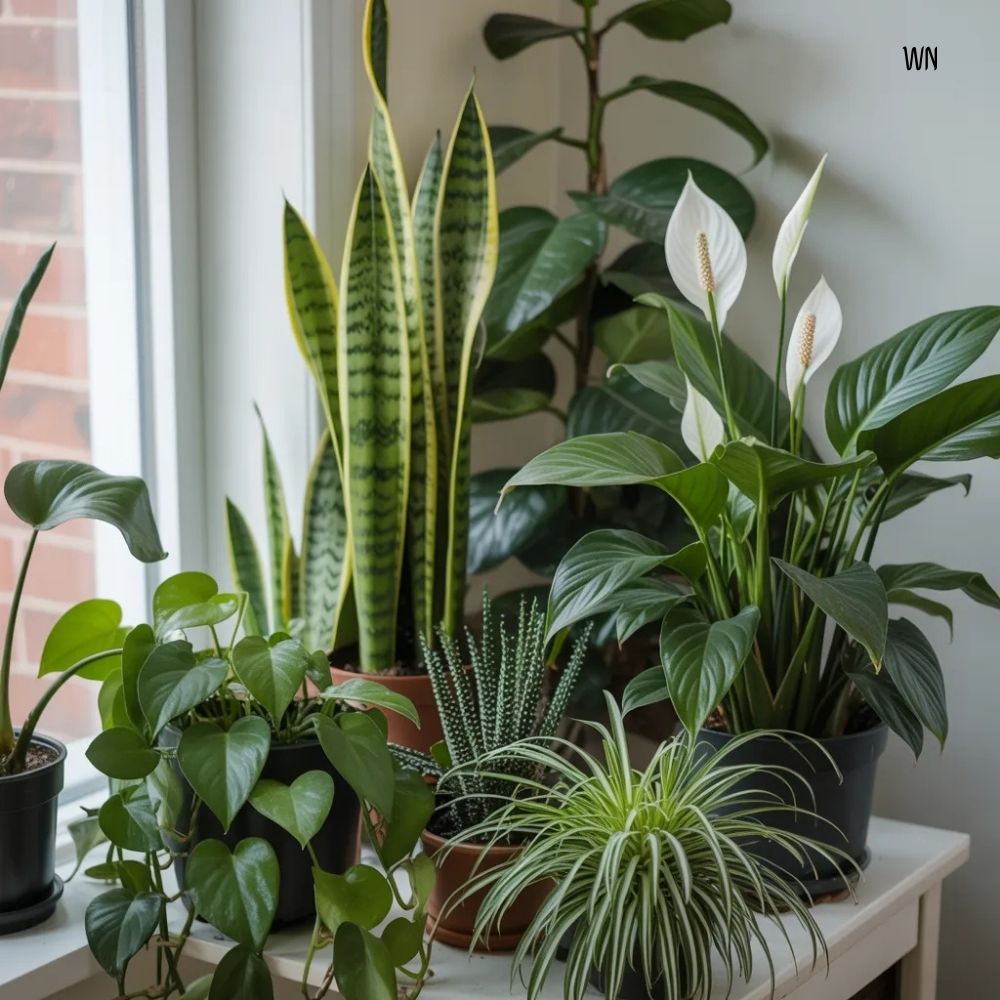
Snake plants are one of the most reliable options. They tolerate low light, irregular watering, and temperature changes. Their upright shape works well in corners and small spaces, and they require very little attention to stay healthy.
Pothos plants are another excellent choice. They adapt to a wide range of light conditions and clearly show when they need water. Their trailing growth makes them versatile for shelves, counters, or hanging pots.
Peace lilies work well for people who prefer clear signals from their plants. They droop noticeably when thirsty and recover quickly once watered. They also do well in moderate light and add softness to rooms with hard finishes.
ZZ plants are ideal for low-light spaces and infrequent care. They store water in their thick stems and tolerate long gaps between watering. This makes them suitable for busy households or rooms that are not used daily.
Spider plants are forgiving and grow quickly in average conditions. They adapt well to indirect light and produce offshoots that can be propagated easily, making them a good choice for beginners.
Where to Place Plants So They Actually Help
Placement matters more than quantity. One well-placed plant is more effective than several poorly placed ones. Plants work best where they soften edges, fill empty space, or create a visual pause.
Entryways benefit from plants because they create an immediate sense of welcome and transition. Living rooms benefit from plants placed near seating or windows where they balance furniture. Kitchens benefit from small plants on counters or shelves where they break up hard surfaces.
Bedrooms benefit from plants placed away from sleeping areas but within view. This adds calm without crowding the space. Bathrooms can also support plants if there is enough light and ventilation, adding warmth to an otherwise functional room.
Avoid placing plants where they interfere with movement or daily tasks. A plant that constantly needs to be moved or worked around will feel like clutter rather than comfort.
How Many Plants Are Enough
You do not need many plants to feel the benefits. For most homes, starting with two or three plants is enough to notice a difference. These plants can be spread across different rooms or grouped together depending on space.
Adding plants gradually allows you to learn how they fit into your routine. If caring for them feels easy, you can add more later. If it feels like too much, you already have enough. Plants should support your home, not overwhelm it.
Why Plants Are a Long-Term Improvement, Not a Trend
Plants improve homes in a way that lasts. They do not go out of style, require upgrades, or lose relevance. As they grow, they change with your space and add character over time.
More importantly, plants reinforce the idea that a home is something you care for, not something that must look perfect. This mindset shift makes daily life feel lighter and more forgiving.
A Helpful Final Thought
Having plants at home is not about becoming a plant expert or creating a picture-perfect space. It is about making your home feel more comfortable, alive, and supportive with minimal effort. When you choose plants that fit your life and place them where they help the most, the benefits show up quietly every day.
If you would like, we can next create a room-by-room plant guide, a plant care system that takes less than five minutes a week, or a list of the best plants for low light, small spaces, or busy schedules. Just tell us what would help you most.