Simple Food Storage Tips That Help Reduce Waste
Food waste is something many people want to reduce, yet it often happens quietly and unintentionally. Fruits spoil faster than expected, leftovers get forgotten, and pantry items expire before we remember they are there. This is not a personal failure or a lack of discipline. It is simply how busy, real life works. The encouraging…
Food waste is something many people want to reduce, yet it often happens quietly and unintentionally. Fruits spoil faster than expected, leftovers get forgotten, and pantry items expire before we remember they are there. This is not a personal failure or a lack of discipline. It is simply how busy, real life works.
The encouraging part is that reducing food waste does not require complicated systems or constant effort. A few simple food storage habits can make a noticeable difference.
These tips are practical, easy to follow, and designed to work in everyday kitchens. You do not need to do everything at once. Even small changes can help food last longer and make daily cooking feel less stressful.
Why Food Waste Happens So Easily
Food waste often comes from small disconnects rather than big mistakes. We store food where we cannot see it, forget what we already have, or place items in spots that shorten their freshness. Refrigerators get crowded, pantries become cluttered, and good intentions slowly get buried behind daily routines.
Storage is not just about containers. It is about visibility, airflow, moisture control, and habit. When food is stored in a way that supports how we actually live, waste naturally decreases without extra effort.
Tip 1: Store Food Where You Can See It Easily
One of the most effective ways to reduce food waste is to make food visible. Items that are hidden behind others or pushed to the back are more likely to be forgotten. This often leads to spoilage even when the food was stored correctly.
In the refrigerator, placing ready-to-eat foods at eye level helps remind you they are there. Leftovers, cut fruits, and cooked meals are more likely to be eaten when they are easy to spot. Fresh produce that is visible gets used faster than produce hidden in drawers.
In the pantry, grouping similar items together and keeping frequently used foods within reach makes it easier to rotate what you have. This does not require perfect organization. The goal is simply to reduce the chance of food being overlooked. When you can see your food, you naturally waste less of it.
Tip 2: Use the Right Storage for Different Foods
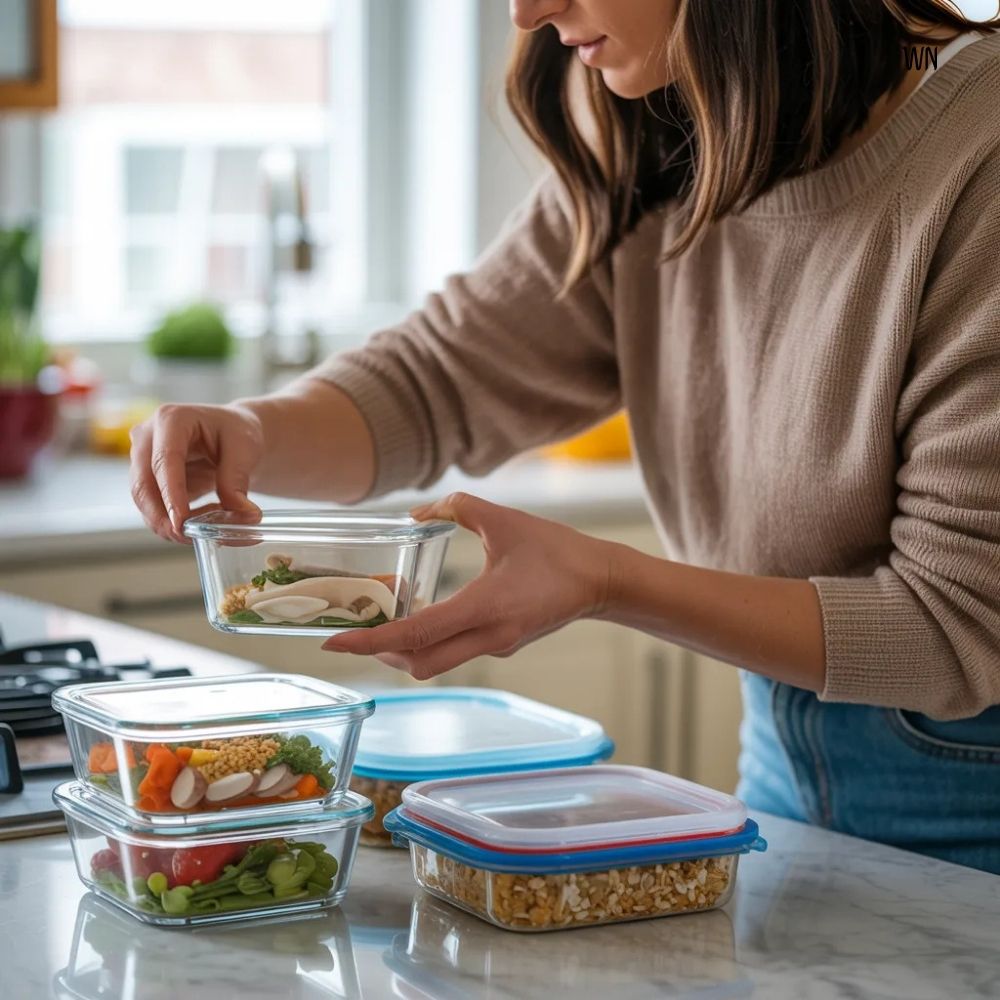
Not all foods benefit from the same storage conditions. Some need airflow, others need moisture control, and some last longer when kept dry and sealed. Understanding a few basics can extend the life of your food significantly.
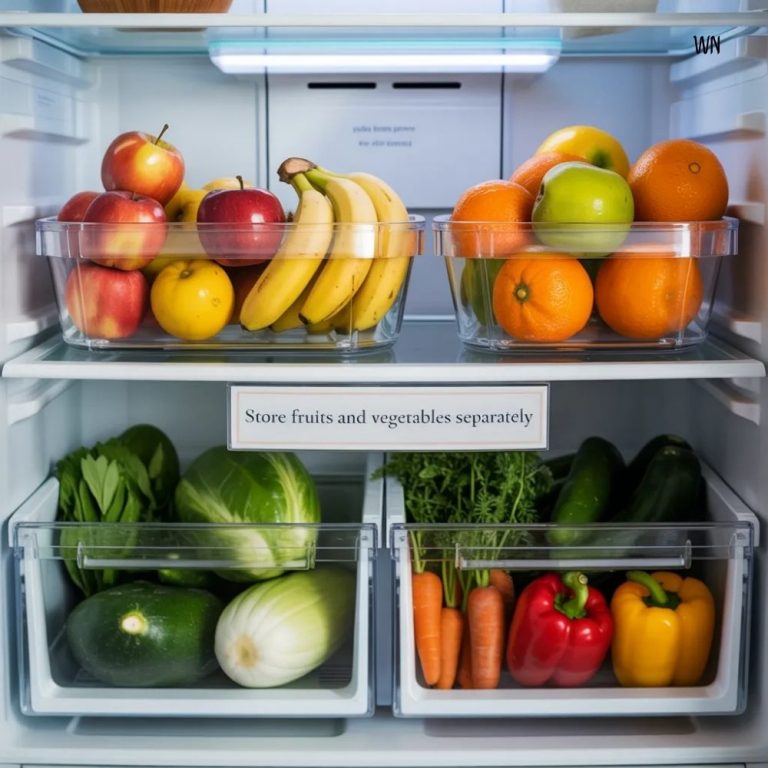
For example, leafy greens tend to stay fresh longer when stored with a little airflow and light moisture, while dry goods last best in airtight containers. Fruits and vegetables often have different needs, and storing them together without thought can shorten their freshness.
This does not mean buying special containers for everything. Simple adjustments, like using breathable bags for produce or keeping dry foods sealed and labeled, can help food stay usable longer.
Choosing storage that fits the food, rather than forcing all food into the same solution, supports freshness naturally.
Tip 3: Label and Date Leftovers Gently
Leftovers are one of the most common sources of food waste. They are cooked with good intentions but forgotten because we are not sure when they were made or what is inside the container.
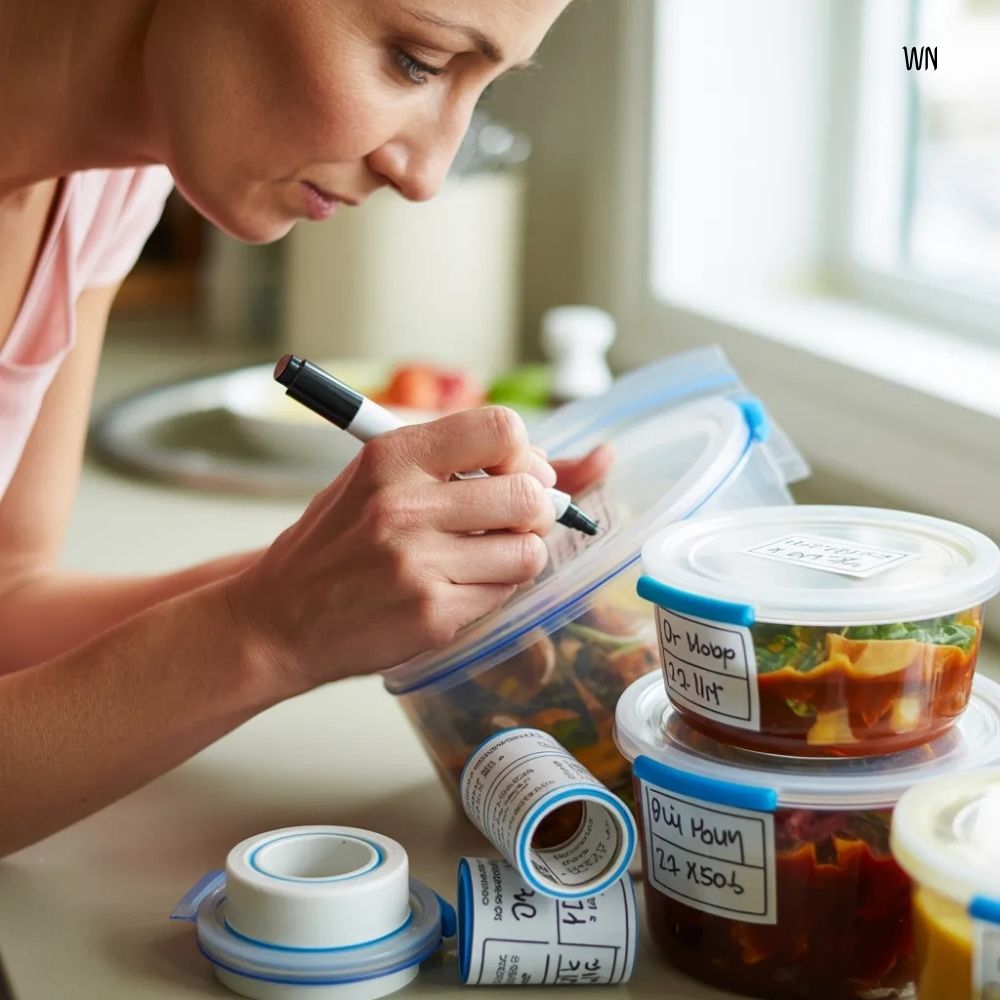
Adding a simple label or date helps remove that uncertainty. You do not need detailed notes or fancy labels. A small piece of tape or a marker with the date is often enough.
When you know when something was stored, it becomes easier to decide when to eat it. This reduces hesitation and makes leftovers feel safer and more appealing.
Another helpful habit is storing leftovers in clear containers when possible. Being able to see what is inside helps remind you to use it and reduces forgotten food.
Tip 4: Practice Simple Rotation in the Fridge and Pantry
Rotation sounds complicated, but it can be very simple. When you bring new groceries home, placing older items in front helps ensure they get used first. This habit takes only a few seconds and can significantly reduce waste over time.
In the fridge, move older items forward when adding new ones. In the pantry, keep newer packages behind what is already open. This gentle system works quietly in the background without needing constant attention.
Rotation helps food flow naturally through your kitchen instead of piling up and expiring unnoticed. Over time, this habit becomes automatic and saves both food and money.
Tip 5: Store Food Based on How You Actually Cook
Many storage systems fail because they do not match real habits. Food gets wasted when it is stored according to rules that do not fit your routine.
If you snack often, keeping ready-to-eat foods accessible helps them get used. If you cook in batches, storing ingredients together makes meal preparation easier. If mornings are rushed, placing breakfast items in one area saves time and prevents forgotten foods.
There is no single correct way to store food. The best system is one that supports how you use your kitchen daily. When storage aligns with habit, waste naturally decreases.
Tip 6: Freeze Food Before It Feels Urgent
Freezing food is one of the most effective ways to reduce waste, yet many people wait too long to use it. Freezing works best when food is still fresh, not when it is already close to spoiling.
If you notice you will not use something in the next few days, freezing it early helps preserve quality and flavor. This applies to bread, cooked meals, fruits, vegetables, and many leftovers.
Portioning food before freezing makes it easier to use later. Smaller portions thaw faster and are more convenient for everyday cooking. Using the freezer as a planning tool rather than a last resort helps reduce waste without pressure.
Tip 7: Keep a Simple “Use First” Area
Creating a small “use first” section in your fridge can make a big difference. This is a designated spot for foods that need to be eaten soon. Leftovers, opened packages, or produce nearing its peak freshness can go here.
This area acts as a gentle reminder rather than a strict rule. When you open the fridge, you immediately see what needs attention. This reduces forgotten food and helps guide meal choices naturally.
How These Tips Work Together
Each of these habits supports food awareness in a different way. Visibility prevents forgetting. Proper storage extends freshness. Labeling reduces uncertainty.
Rotation keeps food moving. Habit-based storage supports daily use. Freezing protects surplus. A “use first” area creates gentle reminders.
You do not need to adopt every tip. Choosing one or two that fit your lifestyle is often enough to see improvement. Over time, these habits build on each other and create a kitchen that works with you instead of against you.
A Gentle Takeaway
Reducing food waste starts with small, thoughtful storage habits. Making food visible, storing it in ways that support freshness, labeling gently, rotating items, freezing early, and aligning storage with your routine can all help food last longer.
You do not need a perfect kitchen or strict rules. A few simple changes can help you waste less, save money, and feel more at ease in your daily cooking. Small steps matter, and every effort counts.